
Anxiety disorder is like that overly enthusiastic friend who shows up to every party uninvited and just won’t leave—no matter how much you try to ignore them. It’s a complex beast that manifests in a multitude of ways, from racing hearts to endless worrying, and it can genuinely affect how we navigate our daily lives. Understanding the different types of anxiety disorders and their symptoms is crucial in tackling this unwelcome guest, ensuring it doesn’t rob us of our joy and functionality.
In the quest to manage anxiety, home health care emerges as a supportive ally, offering routines and caregiver insights that can help ease the burden. Moreover, blending mind and body techniques like meditation and massage can transform our anxiety experience, turning down the volume on those pesky worries. So, let’s dive deep and unpack this whirlwind together!
Understanding Anxiety Disorder
Anxiety disorders are like that overly cautious friend who insists you wear a helmet even while sipping tea. They turn everyday situations into epic dramas, making even the simplest errands feel like a test of bravery. While we all experience anxiety from time to time, anxiety disorders crank it up to eleven, often leading to unwanted feelings of fear and unease that can interfere with daily life.The symptoms of anxiety disorders can range from the mildly annoying to the downright debilitating.
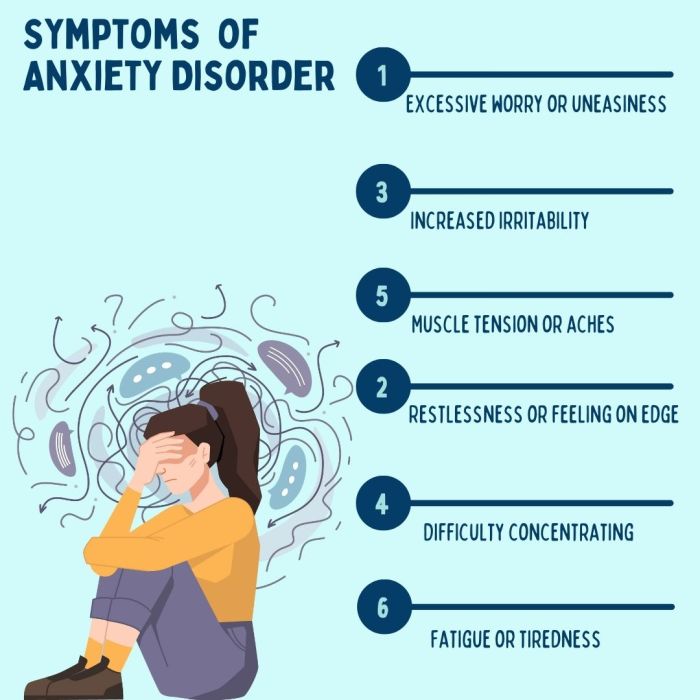
People might experience physical symptoms like a racing heart, excessive sweating, and even trembling, as if they’ve just chugged three espressos. Emotionally, individuals may grapple with persistent worry, restlessness, and a sense of impending doom—much like when you realize your favorite snack has run out. It’s essential to recognize these symptoms not just as fleeting moments of discomfort but as signs of something that can be managed and treated.
Types of Anxiety Disorders
Anxiety disorders come in a variety of flavors, much like ice cream, but with less sprinkles and more existential dread. Understanding the different types can help demystify what someone might be experiencing. Here’s a quick overview of the most common types:
- Generalized Anxiety Disorder (GAD): This is the classic overthinker’s disorder, where the mind races through a thousand what-ifs, from whether you’ll get trapped in an elevator to if your cat secretly judges you.
- Panic Disorder: Picture a sudden wave of terror crashing over you—no waves, no beach, just sheer panic. That’s panic disorder, often featuring unexpected panic attacks that can leave one feeling like they’ve just run a marathon in a minute.
- Social Anxiety Disorder: This isn’t just shyness; it’s the fear of being scrutinized in social situations to the point where one might prefer binge-watching Netflix alone rather than facing the great outdoors.
- Specific Phobias: Whether it’s spiders, heights, or the neighbor’s lawn gnome, specific phobias can cause individuals to avoid situations that may not even pose a real threat, leading to a life of careful navigation around triggers.
- Obsessive-Compulsive Disorder (OCD): This disorder is characterized by persistent, unwanted thoughts (obsessions) and repetitive behaviors (compulsions) aimed at reducing anxiety, like counting steps or arranging items, which can take up a significant amount of time.
The impact of anxiety disorders on daily life can be profound. It’s like trying to drive a car with the brakes on. Everyday tasks become Herculean labors, and spontaneous plans turn into elaborate escape missions. Individuals may struggle with maintaining relationships, holding down jobs, or even just getting out of bed in the morning. The constant churning in the mind makes simplicity feel complex, and what should be easy breezy becomes a turbulent storm.
“Anxiety is like a rocking chair; it gives you something to do, but gets you nowhere.”
Understanding anxiety disorders is a vital step in addressing these challenges. With the right support, treatment, and a sprinkle of humor, it’s possible to navigate through the fog and find a clearer path forward.
Home Health Care and Anxiety Disorder
Home health care plays a crucial role in managing anxiety disorders, often acting as a soothing balm to the chaotic mind. Imagine having a personal superhero—minus the cape—who swoops in to provide support, reassurance, and maybe even a cup of chamomile tea. This unique approach allows individuals to receive personalized care in the comfort of their own homes, turning anxiety from a fearsome dragon into a manageable kitten.Home health care professionals are specially trained to address both physical and mental health needs.
They can help establish a routine that provides structure, calms the mind, and makes navigating daily life feel a little less daunting. With the right mix of companionship, education, and skill, caregivers can empower individuals to conquer their fears, one deep breath at a time.
Integrating Home Care Routines to Alleviate Anxiety
Establishing a home care routine can significantly alleviate anxiety symptoms. A daily plan not only fosters stability but also provides a sense of control, which is often the first step in managing anxiety. Here are some methods that can be integrated into everyday life:
- Mindfulness and Relaxation Techniques: Incorporating mindfulness exercises, such as guided meditation or yoga, can help calm racing thoughts. Think of it as a mini-vacation from anxiety—no sunscreen needed!
- Regular Exercise: Physical activity is a powerful anxiety antidote. Whether it’s a brisk walk around the block or a dance-off in the living room, moving your body releases endorphins that make you feel good. Plus, it’s a great way to avoid those awkward small talk moments.
- Structured Daily Schedule: Having a consistent routine provides predictability, which can be comforting. It’s like having a roadmap that says, “Don’t worry; we know where we’re going!”
- Healthy Eating Habits: A balanced diet can work wonders for mental health. Think of your brain as a high-performance engine that needs premium fuel—so maybe skip the drive-thru fries this week!
- Open Communication: Encouraging conversations about feelings can destigmatize anxiety. Speak openly with caregivers about your worries; consider them as your personal cheerleaders, armed with pom-poms and a deep understanding!
Benefits of Caregivers Trained in Mental Health Awareness
Having a caregiver with training in mental health can enhance the support received at home. These professionals bring an understanding of anxiety that transcends typical caregiving roles, offering a specialized approach that can truly make a difference. Here are some key benefits:
- Better Understanding of Symptoms: Trained caregivers can identify signs of escalating anxiety and respond appropriately. They know when to give space and when to provide comfort—like a skilled tightrope walker balancing empathy and support.
- Personalized Coping Strategies: They are equipped to help develop personalized strategies that align with the individual’s needs, turning anxiety management into a collaborative effort. Think of it as crafting a bespoke suit tailored just for you!
- Emotional Support: Caregivers can serve as a support system, offering a listening ear and a shoulder to lean on. Sometimes, a friendly smile or a chuckle is all it takes to lighten the load of anxiety.
- Education for Families: They can educate family members about anxiety disorders, promoting a supportive home environment. After all, knowledge is power—like having a cheat sheet for the most challenging pop quiz of your life!
- Consistency in Care: Having a consistent caregiver fosters trust and stability, creating a safe space for individuals to express themselves without fear of judgment.
“A caregiver can be the lighthouse in the stormy seas of anxiety.”
Mind and Body Approaches to Managing Anxiety
Anxiety can feel like a persistent unwelcome guest who shows up uninvited to your mind’s party, drinks all your juice, and leaves you wondering how to reclaim your space. Thankfully, the harmonious duo of mind and body approaches provides a strategy to kick that guest out of the party and reclaim your groove. By merging mindfulness techniques with physical relaxation methods, individuals can create a soothing sanctuary for their mental well-being.
Benefits of Meditation in Reducing Anxiety Symptoms
Meditation shines like a beacon of calm amid the stormy seas of anxiety. This practice nurtures your ability to focus and slow the racing thoughts that often accompany anxiety disorders. Engaging in meditation regularly can lead to notable reductions in anxiety symptoms due to its ability to increase mindfulness and emotional regulation.The benefits of meditation are numerous and profound:
“Meditation is like a gym for your mind; it strengthens your mental muscles and helps you handle stress with grace.”
Here are some key advantages:
- Reduced Stress: Meditation activates the body’s relaxation response, lowering cortisol levels—the stress hormone.
- Enhanced Focus: Regular practice improves attention span, making it easier to concentrate and manage overwhelming thoughts.
- Emotional Resilience: It fosters a positive mood and encourages a more balanced emotional state, helping you cope with anxiety triggers.
- Better Sleep: Meditation can improve sleep quality, a crucial factor in managing anxiety levels.
- Physical Health Benefits: Reduced anxiety often leads to lower blood pressure and improved overall well-being.
Weekly Health and Massage Plan Focused on Anxiety Relief
To complement the serenity of meditation, incorporating a structured health and massage plan can provide tangible relief from anxiety symptoms. The following weekly plan aims to harmonize mind and body, creating a calming rhythm in your life. Weekly Anxiety Relief Plan:
“A little self-care goes a long way in keeping anxiety at bay.”
Each day includes a blend of mindfulness, movement, and massage techniques.
| Day | Activity | Duration |
|---|---|---|
| Monday | Meditation Session | 15 Minutes |
| Tuesday | Yoga Flow | 30 Minutes |
| Wednesday | Guided Visualization | 20 Minutes |
| Thursday | Self-Massage Techniques | 25 Minutes |
| Friday | Nature Walk | 30 Minutes |
| Saturday | Deep Tissue Massage | 1 Hour |
| Sunday | Mindfulness Journal Session | 20 Minutes |
Implementing this plan can encourage relaxation and promote a sense of control over anxiety, helping you to tackle the week with a smile—who knew self-care could be so productive?
Comparison of Traditional Medicine and Alternative Therapies for Treating Anxiety
When it comes to managing anxiety, the age-old debate of traditional medicine versus alternative therapies often arises. Both approaches offer unique benefits and can be used complementary to each other, creating a balanced arsenal against anxiety.Traditional medicine typically involves pharmacological treatments, such as antidepressants or anti-anxiety medications, which are prescribed based on individual needs and symptoms. They can provide quick relief and are supported by extensive clinical studies.On the flip side, alternative therapies include mindfulness techniques, yoga, acupuncture, and herbal remedies, which focus on promoting overall well-being rather than just alleviating symptoms.
While research on their efficacy continues to grow, many individuals find these methods to be beneficial for long-term management of anxiety.Here’s a quick comparison:
| Criteria | Traditional Medicine | Alternative Therapies |
|---|---|---|
| Approach | Symptom-focused | Holistic and preventive |
| Speed of Relief | Immediate effects | Gradual improvement |
| Side Effects | Possible side effects | Generally minimal |
| Evidence Base | Extensive clinical research | Growing body of anecdotal evidence |
| Cost | Insurance covered | Varies widely |
In conclusion, whether you find solace in a bottle of pills or prefer a cozy corner for meditation and essential oils, the goal remains the same: to navigate the turbulent waters of anxiety with grace and resilience. The right approach is the one that resonates with you, allowing you to dance with your anxiety instead of letting it lead the way.
Conclusion
In summary, anxiety disorder may feel like a relentless rollercoaster ride with twists and turns that can leave us dizzy, but with the right strategies and support, we can regain control of the wheel. By understanding the symptoms, exploring home health care options, and embracing mindfulness practices, we are better equipped to manage this condition. Remember, anxiety might be the unwanted party crasher, but with some clever planning and support, we can show them the door—preferably with a smile!
Key Questions Answered
What are the common symptoms of anxiety disorder?
Common symptoms include excessive worrying, restlessness, fatigue, difficulty concentrating, and physical symptoms like a racing heart or sweating.
How can home health care help with anxiety disorder?
Home health care professionals can provide personalized support, establish calming routines, and offer companionship which may reduce feelings of isolation.
Is medication necessary for treating anxiety disorder?
Not always! While medication can be helpful for some, many individuals successfully manage anxiety through therapy, lifestyle changes, and holistic approaches.
Can meditation really help reduce anxiety?
Absolutely! Meditation can help quiet the mind, reduce stress, and promote a sense of calm, making it an effective tool for managing anxiety.
What is the difference between traditional medicine and alternative therapies for anxiety?
Traditional medicine often involves medication and therapy, while alternative therapies might include practices like yoga, acupuncture, and herbal remedies—all aimed at reducing anxiety in various ways.


