
Nursing care is like a superhero’s cape—transforming the ordinary into the extraordinary as nurses guide patients through the labyrinth of recovery. With a sprinkle of compassion and a dash of expertise, nursing care becomes the secret ingredient that helps patients bounce back and regain their zest for life.
From mastering essential skills to performing patient assessments, nurses are the backbone of healthcare, ensuring that every healing journey is supported by knowledge and empathy. Whether it’s orchestrating home health care plans or tackling specific health issues like hypertension management, nursing care is the ultimate multitasker in the realm of health and wellness.
Nursing Care Fundamentals
Nursing care is the unsung hero of patient recovery, swooping in like a caped crusader to provide support, comfort, and expert care. Nurses are not only the backbone of healthcare but also the heart and soul, ensuring that patients receive the attention they need to heal and thrive. With a blend of science, empathy, and a sprinkle of humor, nursing care plays a pivotal role in turning frowns into smiles—even if it’s just for a moment during the dreaded bedpan service.The role of nursing care in patient recovery is multifaceted, encompassing both physical and emotional aspects of healing.
Nurses monitor vital signs, administer medications, and educate patients about their conditions, all while providing a comforting presence. This combination of clinical skills and interpersonal communication ensures that patients feel supported and understood, which is essential for optimal recovery outcomes.
Essential Skills Required for Effective Nursing Practice
To be an effective nurse, one must possess a diverse set of skills that often resemble a Swiss Army knife. Each skill plays a crucial role in delivering high-quality care and ensuring patient safety. Below are some essential skills every nurse should carry in their proverbial backpack of expertise:
- Clinical Skills: Proficient abilities in areas such as administering injections, wound care, and IV placement. Think of these as the bread and butter of nursing; without them, you’re left with toast.
- Communication: The ability to communicate clearly with patients, families, and the healthcare team is paramount. Nurses are often the bridge that connects doctors to patients, translating medical jargon into understandable language—like a bilingual superhero.
- Critical Thinking: Nurses must assess situations quickly and make informed decisions. This skill is akin to playing chess; it requires anticipating the next moves while keeping the patient’s best interests at heart.
- Empathy: The capacity to understand and share the feelings of others is what makes a good nurse great. A sprinkle of compassion can turn a patient’s anxiety into a sigh of relief.
- Time Management: Balancing patient care with administrative duties requires ninja-like time management skills. Nurses often juggle multiple patients and tasks seamlessly, like a circus performer with spinning plates.
The foundation of nursing care is built on these essential skills, making it crucial for nurses to continually refine and enhance their abilities.
Importance of Patient Assessment in Nursing Care
Patient assessment is the cornerstone of nursing care, akin to a detective gathering clues to solve a mystery. This process involves systematically collecting and analyzing patient information to identify health needs and devise an effective care plan. The importance of thorough assessment cannot be overstated, as it lays the groundwork for all subsequent nursing actions.A comprehensive patient assessment typically includes the following components:
- Physical Examination: Nurses perform head-to-toe assessments to evaluate the patient’s physical state, looking for signs of distress or changes in health.
- Health History: Gathering detailed patient history helps identify past medical issues and informs future care. It’s like reading a patient’s story before diving into the next chapter of their treatment.
- Vital Signs Monitoring: Regularly checking vital signs like heart rate, blood pressure, and temperature provides critical information about a patient’s current health status.
- Patient Interviews: Engaging with patients to understand their symptoms, concerns, and preferences fosters a collaborative approach to care. It’s all about making them feel heard, like hosting a talk show where the patient is the star!
By conducting thorough assessments, nurses can create tailored care plans that address individual needs, ultimately enhancing patient outcomes and satisfaction. A well-executed assessment is not just a checklist; it’s a pathway to healing and recovery, ensuring that no stone is left unturned on the road to wellness.
Home Health Care
Home health care is like the friendly neighbor who brings you soup when you’re sick, only this time they come armed with medical expertise and a clipboard. It’s a vital service designed to assist patients in their own homes, particularly those managing chronic illnesses or recovering from surgery. Imagine a world where medical care meets cozy slippers and your favorite armchair—that’s home health care in a nutshell!When discussing home health care services, various components come into play that ensure the patient receives comprehensive and personalized care.
The key components include skilled nursing care, physical therapy, occupational therapy, speech therapy, home health aide services, and medical social services. Each component plays a unique role in not only addressing medical needs but also enhancing quality of life.
Key Components of Home Health Care Services
Understanding the various components of home health care services is crucial for effective patient management. Here are the primary services often included:
- Skilled Nursing Care: This involves registered nurses who provide medical care, administer medications, and monitor health status.
- Physical Therapy: Physical therapists help patients regain movement and strength, often using a combination of exercises and specialized equipment.
- Occupational Therapy: Occupational therapists focus on helping patients regain daily living skills, making the transition back to normal life smoother.
- Speech Therapy: For those dealing with communication or swallowing difficulties, speech therapists provide tailored strategies to improve these skills.
- Home Health Aide Services: These aides assist with daily activities such as bathing, dressing, and meal preparation, offering essential support for independent living.
- Medical Social Services: Social workers help patients navigate resources, providing emotional support and assistance with healthcare-related challenges.
Home Health Care Plan for a Patient with Chronic Illness
Developing a home health care plan tailored for a patient with a chronic illness requires a comprehensive approach to address ongoing health needs. A well-structured plan may include:
1. Assessment of Needs
Conduct a thorough evaluation to understand the patient’s medical condition, daily living skills, and support system.
2. Goal Setting
Establish clear, achievable goals, such as improving mobility, managing pain, or enhancing nutritional intake.
3. Care Coordination
Collaborate with various healthcare providers, ensuring communication between doctors, nurses, therapists, and family members.
4. Education
Provide education to the patient and family about the chronic illness, treatment options, and self-management strategies.
5. Regular Monitoring
Schedule regular check-ins to assess progress, adapt the care plan as needed, and address any emerging concerns.
Best Practices for Communication Between Home Health Care Providers and Family Members
Effective communication is the backbone of successful home health care. Implementing best practices can strengthen relationships and improve patient outcomes. Here are key strategies:
- Establish Clear Channels: Create a system for regular updates (e.g., weekly meetings, phone calls, or an online portal) to keep everyone informed.
- Encourage Questions: Foster an environment where family members feel comfortable asking questions, ensuring they understand the care plan and treatment options.
- Use Simple Language: Avoid medical jargon when discussing health information to ensure clarity and comprehension among family members.
- Set Expectations: Clearly Artikel the roles of each provider and family member in the care process to minimize confusion and enhance teamwork.
- Document Everything: Maintain thorough records of discussions, care plans, and changes in health status to ensure continuity of care and facilitate informed decision-making.
Health and Specific Issues
Nursing care is like a superhero cape for patients battling various health issues. With a toolbox full of techniques and interventions, nurses are on the frontline, tackling everything from hypertension to mental health problems with finesse, compassion, and maybe a dash of humor to lighten the mood. Let’s dive into the quirky world of health management, where numbers go down, stress melts away, and minds are nurtured.
Hypertension Management and Nursing Care
Hypertension, often dubbed the “silent killer,” is a condition that demands vigilant nursing care. Nurses play a crucial role in monitoring blood pressure, administering medications, and educating patients about lifestyle changes. They’re not just taking numbers; they’re engaging in a dance of health management with their patients. In managing hypertension, key nursing interventions include:
- Monitoring Blood Pressure: Regular checks help keep tabs on those sneaky blood pressure spikes.
- Patient Education: Nurses provide guidance on dietary choices—like swapping salty snacks for crunchy veggies—making hypertension management a little more palatable.
- Medication Management: Ensuring patients understand their medications can prevent those “Oops! I forgot to take it again” moments.
- Lifestyle Coaching: Encouraging exercise and stress-reduction techniques keeps patients engaged and motivated to lower their numbers.
“A nurse’s role in hypertension management is not just about monitoring numbers, it’s about empowering patients to take control of their health.”
Role of Massage Therapy in Nursing Care for Stress Relief
Massage therapy is like the cherry on top of the sundae of nursing care, especially when it comes to relieving stress. Nurses often incorporate massage techniques not just to pamper their patients but to enhance overall well-being. After all, who can resist a good rubdown when life gets a bit too hectic?Key points on the benefits of massage therapy in nursing care include:
- Reduction of Muscle Tension: A good massage releases tension that builds up from stress and anxiety, leaving patients feeling like jelly.
- Improved Circulation: Massage boosts blood flow, helping to deliver oxygen and nutrients to tissues, making every cell feel appreciated.
- Enhanced Relaxation: The soothing effects of massage promote a sense of calm, which can be especially beneficial for patients facing chronic pain or anxiety.
- Building Trust: When nurses provide massage therapy, it fosters a therapeutic relationship, enhancing the overall experience of care.
“Massage therapy in nursing care is like a warm hug that says, ‘You’re not alone in this!’”
Nursing Interventions for Mental Health Issues
Mental health is an essential aspect of nursing care that requires a delicate touch and a whole lot of empathy. Nurses are often the first line of support for patients experiencing mood disorders such as depression and anxiety. Their interventions can make a world of difference.Important nursing interventions for mental health issues include:
- Active Listening: Providing a safe space for patients to express their feelings can be life-changing. Sometimes, all they need is someone to hear them out.
- Behavioral Strategies: Helping patients identify triggers and develop coping strategies empowers them to manage their mental health proactively.
- Medication Education: Nurses educate patients on the importance of adherence to prescribed psychiatric medications, aiding them in understanding their treatment journey.
- Creating a Supportive Environment: Ensuring a calm, non-threatening atmosphere encourages patients to share their thoughts and feelings freely.
“Nursing care for mental health is about lighting the way through the fog—helping patients find their path to wellness.”
Last Word
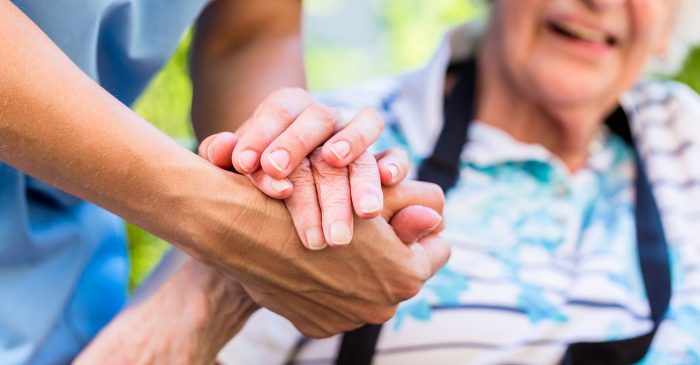
In conclusion, nursing care is more than just a profession—it’s a calling that blends science, art, and a whole lot of heart. As we’ve explored the fundamentals, the nuances of home health care, and the intricate relationship between nursing interventions and health challenges, it’s clear that these dedicated individuals are not just caregivers but pivotal players in the symphony of health recovery.
FAQ Summary
What is the primary role of nursing care?
The primary role of nursing care is to support patient recovery and promote overall health through compassionate care and skilled interventions.
How do nurses assess patient needs?
Nurses assess patient needs by conducting thorough evaluations, including health history, physical examinations, and ongoing monitoring of vital signs.
What are common skills required for effective nursing practice?
Common skills include communication, critical thinking, empathy, clinical expertise, and the ability to work well under pressure.
How does home health care differ from hospital care?
Home health care focuses on providing personalized medical services in the patient’s home, while hospital care is typically more intensive and acute.
Can nursing care address mental health issues?
Absolutely! Nursing care plays a crucial role in identifying and managing mental health issues, providing support through therapeutic interventions and effective communication.


