
Welcome to the world of Nursing research, where we dive headfirst into the pool of knowledge, armed with nothing but a floaty and an oversized lab coat! In this delightful exploration, we’ll reveal how nursing research is not just a bunch of numbers and charts—it’s the secret sauce that spices up healthcare practices and creates a recipe for better patient outcomes.
From the nitty-gritty of qualitative and quantitative research methods to the fascinating ways nursing research enhances home health care, we’ll embark on a journey through hypertension management, massage therapy, and even the mysteries of meditation. Each twist and turn uncovers the vital role research plays in tackling men’s health issues, mood disorders, and the holistic approach that ties mind, body, and spirit together like a well-woven tapestry.
Nursing Research Fundamentals
In the ever-evolving world of healthcare, nursing research plays a critical role in not only refining practices but also in elevating patient care to stellar heights. Picture it as the secret sauce in the healthcare recipe, blending evidence-based findings with seasoned intuition to create delectable outcomes for patients and practitioners alike. It’s like a superhero cape for nurses, empowering them to advocate for change and drive innovation in their field.Nursing research is pivotal because it informs clinical practices, enhances patient outcomes, and contributes to the body of knowledge that supports nursing as a profession.
By systematically examining phenomena like patient behaviors, care practices, and health outcomes, nurses can develop insights that lead to improved protocols and strategies. This fosters a culture of inquiry and evidence-based practice that is essential for high-quality care. Moreover, it enables nurses to remain at the forefront of healthcare advancements, ensuring that they are not just following trends, but shaping them.
Qualitative and Quantitative Research Methods in Nursing
In nursing research, both qualitative and quantitative methods serve as the backbone for uncovering insights and validating practices. Each method brings a unique flavor to the research table, catering to different aspects of healthcare inquiry. Qualitative research is like a deep dive into the ocean of human experience, exploring the ‘how’ and ‘why’ behind patient behaviors and experiences. It often involves methods such as interviews, focus groups, and observations, allowing researchers to capture rich, detailed narratives that can illuminate the intricacies of patient care.
Quantitative research, on the other hand, is akin to a high-speed rollercoaster ride through statistical landscapes. It focuses on numerical data and statistical analysis to discover trends, correlations, and outcomes. This method utilizes surveys, experiments, and clinical trials to gather measurable data that can be generalized across populations. Both methods complement each other beautifully, with qualitative research providing depth and context while quantitative research offers breadth and generalizability.
Ethical Considerations in Nursing Research
Conducting nursing research is not just about crunching numbers or interviewing patients; it also involves navigating a maze of ethical considerations that are critical in protecting the rights and well-being of participants. The ethical landscape can be quite the obstacle course, but with the right compass, researchers can ensure they’re on the path to integrity and respect.Key ethical considerations include:
- Informed Consent: Researchers must ensure that participants are fully aware of the study’s purpose, procedures, risks, and benefits before agreeing to participate. This is akin to giving someone a map before they embark on a treasure hunt.
- Confidentiality: Protecting the identity and personal information of participants is non-negotiable. It’s like guarding the secret recipe of a beloved dish—no one wants their personal data exposed like a chef’s secret sauce.
- Beneficence: Researchers have the ethical obligation to minimize harm and maximize benefits to participants. This is about ensuring that the research contributes positively to the patients involved and society at large.
- Justice: Fair distribution of the benefits and burdens of research is essential. Every participant should have an equal opportunity to benefit from the research without being exploited or marginalized.
In summary, navigating the ethical landscape of nursing research is akin to walking a tightrope; one must balance the quest for knowledge with the imperative to protect participants. By adhering to these ethical principles, nurses can ensure that their research not only advances healthcare but also upholds the dignity and rights of those they serve.
Home Health Care
Home health care is a rapidly evolving field, where nursing research plays a vital role in enhancing the quality of services provided to patients in their own homes. With the rise of chronic diseases and an aging population, the demand for effective home health care solutions has never been higher. Nurses are not just caregivers in this arena; they are pioneering researchers and innovative thinkers transforming the face of health care delivery right from the comfort of a patient’s living room.Nursing research has a profound impact on home health care services, contributing to evidence-based practices that ensure patients receive the best possible care.
Research helps identify effective interventions, evaluate patient outcomes, and refine care protocols. With a treasure trove of data backing their practices, nurses can confidently navigate the complexities of patient care at home.
Innovative Home Health Care Practices
Numerous case studies highlight how research-backed practices have revolutionized home health care. Here are some standout examples that are as impressive as finding a perfectly ripe avocado at the grocery store:
- The Telehealth Triumph: In a study conducted in rural Montana, a home health agency implemented telehealth services for patients with chronic illnesses. As a result, hospital readmission rates dropped by a whopping 30%, proving that virtual check-ins can be just as effective as face-to-face visits. Imagine a nurse popping up on your screen like a friendly ghost, ready to assist with your health needs!
- The Medication Management Marvel: A comprehensive medication management program introduced in a Florida home health agency led to a 40% decrease in adverse drug events. Nurses utilized research to create personalized medication plans that incorporated patient education, resulting in happier, healthier patients. No more guessing games with pills – it’s like having a GPS for your health!
- The Fall Prevention Protocol: A home health study in California developed a fall prevention strategy rooted in evidence-based practices, leading to a 50% reduction in falls among elderly patients. Nurses conducted home assessments and implemented tailored exercise programs, proving that a little research can keep patients on their feet (literally!).
Challenges and Solutions in Implementing Research Findings
While the integration of nursing research into home health care is promising, it comes with its own set of challenges that can sometimes feel like navigating a maze blindfolded. These hurdles often include limited resources, resistance to change, and the need for ongoing education. However, solutions exist, paving the way for successful implementation.
- Resource Allocation: Many agencies struggle with funding for research implementation. By forming partnerships with academic institutions, agencies can access grants and resources that will help them adopt evidence-based practices without breaking the bank.
- Cultural Resistance: Change can be daunting, and some staff may resist new approaches. Implementing regular training sessions and showcasing successful case studies can create buy-in and enthusiasm, transforming skeptics into advocates for change.
- Ongoing Education: Keeping staff updated on the latest research and practices is essential. Establishing a continuous learning environment and providing access to online courses and workshops can ensure that nurses are always armed with the latest knowledge to improve patient care at home.
“Transforming research into practice is not just a goal; it’s a necessity for providing top-notch home health care.”
By embracing the challenges and leveraging the solutions, nursing research can continue to drive innovation in home health care, making it not just a service, but a pathway to healthier, happier lives.
Health and Hypertension
In the ever-evolving world of healthcare, managing hypertension is like trying to tame a wild stallion—challenging yet rewarding. Nurses, as the valiant cowboys of the healthcare frontier, play a pivotal role in understanding and managing this condition through robust research. Let’s delve into how nursing research adds a splash of clarity to the often murky waters of hypertension management.Nursing research has become the compass guiding practitioners through the stormy seas of hypertension.
By investigating patient responses to different interventions, research helps pinpoint effective strategies that keep blood pressure in check. This evidence-based approach not only enhances patient outcomes but also empowers nurses to educate patients about lifestyle modifications, medication adherence, and the importance of regular monitoring. In short, it’s like giving a map to a treasure hunt—nurses can find the best path to healthier living for their patients.
Evidence-Based Practices for Hypertension Care
As the healthcare world shifts towards a more evidence-based approach, it becomes crucial to identify practices that have been rigorously tested and proven effective in managing hypertension. Here’s a compilation of evidence-based practices that have shown great promise:
- Medication Management: Utilizing a combination of antihypertensive medications tailored to the individual needs of the patient can lead to significantly better blood pressure control. For example, a study published in the Journal of Clinical Hypertension found that patients on a combination of ACE inhibitors and diuretics had better outcomes than those on medication alone.
- Lifestyle Modifications: Encouraging patients to adopt a heart-healthy lifestyle—including a balanced diet, regular physical activity, and stress reduction techniques—has been shown to lower blood pressure effectively. The DASH diet, rich in fruits and vegetables, is a prime example, with studies showing it can reduce systolic blood pressure by up to 11 mmHg.
- Patient Education: Informing patients about hypertension, its risks, and management strategies has proven essential. Research shows that patients who understand their condition are more likely to adhere to treatment regimens, leading to enhanced long-term outcomes.
- Telehealth Monitoring: With the rise of technology, remote monitoring of blood pressure has emerged as a viable option. Evidence indicates that patients using telehealth services can maintain better control of their hypertension due to increased follow-up and support.
Comparative Outcomes of Traditional vs. Research-Informed Interventions
Understanding the effectiveness of different intervention strategies is crucial in hypertension management. The contrast between traditional approaches and research-informed interventions reveals significant differences in patient outcomes.Traditional approaches often involve standard medication prescriptions and a one-size-fits-all educational approach. While these methods can stabilize blood pressure, they frequently neglect the individual preferences and circumstances of patients, leading to variable results.In contrast, research-informed interventions take a more tailored approach, integrating the latest findings into practice.
A meta-analysis showed that patients receiving personalized care plans—developed from current literature and guidelines—exhibit better adherence to medication and lifestyle changes. The potential benefits of research-informed strategies can be summarized as follows:
- Greater Patient Engagement: Individuals are more likely to participate actively in their care when they feel their specific needs are being met, as shown in various studies.
- Improved Adherence Rates: With personalized interventions, adherence to medication regimens tends to increase, with some studies reporting rates as high as 85% compared to 50% for traditional methods.
- Lower Incidence of Hypertensive Crises: Research-informed strategies have been linked to a reduction in hypertensive emergencies, showcasing their effectiveness in real-world scenarios.
“The greatest weapon against stress is our ability to choose one thought over another.” – William James
Health and Massage
Integrating massage therapy into nursing practices is like adding a sprinkle of magic to the healing process. It’s not just about relaxation; research shows that massage can be a mighty ally in the quest for improved patient outcomes. From reducing anxiety to enhancing recovery, the benefits are as numerous as the types of massages available—just think of deep tissue vs.
Swedish as the Batman vs. Superman of the massage world!Massage therapy has been shown to work wonders in clinical settings, providing both physical and psychological benefits that are often overlooked. Research findings indicate that patients who receive regular massage therapy report lower levels of stress and pain, which can lead to shorter recovery times and a more positive overall experience in the healthcare setting.
It’s like giving your patients a hug, but with the added bonus of science backing it up!
Benefits of Integrating Massage Therapy into Nursing Practices
The integration of massage therapy into nursing practices can lead to several profound benefits, creating a more holistic approach to patient care. Understanding these benefits can help healthcare professionals maximize their therapeutic arsenal. Here are some key advantages:
- Reduction of Pain: Studies have shown that massage can significantly decrease pain levels in patients, making it a useful adjunct to traditional pain management strategies.
- Decreased Anxiety and Depression: Research consistently indicates that massage can lead to substantial reductions in anxiety and depressive symptoms, fostering emotional well-being.
- Enhanced Circulation: Massage therapy promotes blood flow, which can aid in healing and recovery by ensuring nutrients and oxygen reach damaged tissues more effectively.
- Improved Sleep Quality: Regular massages have been linked to better sleep patterns, which is crucial for recovery and overall health.
- Increased Patient Satisfaction: Providing holistic care that includes massage therapy can increase overall patient satisfaction ratings, which is a win-win for both providers and patients.
Research Studies on Psychological Effects of Massage on Patient Recovery
Several noteworthy studies have explored the psychological effects of massage therapy, revealing its powerful impact on patient recovery. These findings highlight the intricate connection between mind and body. For instance, a study published in the
- International Journal of Nursing Studies* found that patients who received massage therapy experienced a significant decrease in anxiety levels compared to those who did not. Another research piece featured in
- Pain Medicine* reported improved emotional well-being among cancer patients receiving massage therapy, demonstrating its potential to enhance quality of life during treatment.
“Massage therapy not only alleviates physical discomfort but also nurtures emotional healing, making it a vital component of comprehensive nursing care.”
Framework for Evaluating the Effectiveness of Massage Therapy in Clinical Settings
To effectively evaluate the impact of massage therapy in clinical settings, healthcare providers can implement a structured framework. This framework should incorporate both qualitative and quantitative measures, ensuring a holistic assessment of massage therapy’s benefits. Key components to include are:
- Patient Feedback: Regularly collect and analyze patient satisfaction surveys to gauge their perceptions of massage therapy’s effectiveness.
- Clinical Outcomes: Track measurable clinical outcomes, such as pain scores, sleep quality, and recovery times, before and after massage interventions.
- Standardized Assessment Tools: Utilize validated assessment tools, like the Visual Analog Scale (VAS) for pain and the State-Trait Anxiety Inventory (STAI), to quantify patient experiences.
- Staff Training and Competency: Ensure that nursing staff are trained in massage techniques and understand the therapeutic benefits, fostering a culture of integrative care.
- Research Collaboration: Engage in collaborative research efforts with massage therapists and healthcare experts to continually evaluate and improve massage therapy protocols.
Incorporating this framework not only optimizes the therapeutic impact of massage but also solidifies its role as a vital component of patient-centered nursing care.
Health and Meditation
In the fast-paced world of healthcare, where nurses often juggle multiple responsibilities like a circus performer on a unicycle, meditation emerges as a tranquil oasis in the desert of stress. This ancient practice has been shown to enhance patient outcomes, paving the way for a healthier, more balanced approach to nursing care. By tapping into the calming power of meditation, nurses can not only improve their own well-being but also positively influence their patients’ recovery journeys.Meditation has a profound impact on patient outcomes in nursing care, acting as a bridge that connects the mind and body in a harmonious symphony of health.
Research indicates that patients who engage in meditation experience reduced anxiety, lower blood pressure, and improved emotional well-being. Such improvements can lead to shorter hospital stays and quicker recovery rates. By incorporating meditation into nursing practice, healthcare professionals can enhance the efficacy of traditional treatments and promote holistic healing.
Incorporating Meditation Techniques into Nursing Practice
Integrating meditation techniques into nursing practice requires a structured approach that considers both the environment and the needs of patients. Here’s how nurses can create a zen-like atmosphere and seamlessly blend meditation into their daily routines:
1. Create a Calm Environment
Establish a quiet space with soft lighting and minimal distractions. Consider adding soothing elements like plants, water features, or calming music to enhance the atmosphere.
2. Educate Patients
Provide patients with clear information about the benefits of meditation. Share simple techniques they can practice independently, such as deep breathing or guided visualization.
3. Incorporate Meditation into Routines
Dedicate a few minutes during patient assessments or shifts for short meditation sessions. This can be as simple as encouraging patients to focus on their breath or guiding them through a brief mindfulness exercise.
4. Lead by Example
Nurses can benefit from their own meditation practice, demonstrating its value and calming effects. This not only improves the nurse’s well-being but also fosters a supportive environment for patients.
5. Evaluate and Adapt
Regularly assess the effectiveness of meditation techniques used in practice. Solicit feedback from patients and adjust approaches to better suit individual needs and preferences.
“Meditation is a way of nourishing and blossoming the divinity within you.”
Amit Ray
Physiological Changes Resulting from Meditation
Meditation doesn’t just soothe the soul; it also triggers remarkable physiological changes that can significantly enhance patient health. Understanding these changes can help nurses appreciate the multifaceted benefits of this practice:
Reduced Stress Hormones
Meditation has been shown to decrease levels of cortisol, the stress hormone, which can lead to lower anxiety and a feeling of calmness.
Improved Heart Rate Variability
Engaging in regular meditation promotes better heart rate variability, a sign of a healthy autonomic nervous system. This can lead to reduced risk of cardiovascular issues.
Enhanced Brain Function
Neuroscientific studies reveal that meditation can increase gray matter density in areas of the brain associated with memory, emotional regulation, and self-awareness, paving the way for improved cognitive function.
Boosted Immune Response
Regular meditation practice has been linked to enhanced immune function, making patients less susceptible to illness and promoting overall health.
Pain Management
Studies illustrate that meditation can significantly reduce perceptions of pain, often providing a complementary approach to pain management in clinical settings.By understanding and utilizing these physiological benefits, nurses can not only foster a therapeutic environment but also empower patients to take charge of their health through the transformative power of meditation.
Men’s Issues in Health
In the world of health, men often find themselves tiptoeing around topics that can make them feel more vulnerable than a cat in a room full of rocking chairs. Nursing research has stepped up to the plate, not just to throw a curveball but to hit a home run by addressing health issues that specifically affect men. From heart disease to mental health struggles, it’s high time we shine a spotlight on these concerns and ensure that men get the care and attention they deserve.Nursing research acknowledges that men’s health is often overlooked, leading to a disparity in treatment and awareness.
Studies have shown that men are less likely to seek medical help and more likely to engage in risky behaviors. This is where research initiatives can flex their muscles, adding strength to the conversation around men’s health issues. By conducting targeted research, healthcare professionals can better understand the unique challenges men face and develop effective strategies to combat them.
Promoting Men’s Health Awareness
Raising awareness around men’s health is like trying to get a toddler to eat vegetables—it’s best done through creative and engaging methods. Here are some strategies that can help get the ball rolling:
- Community Health Programs: Implementing programs that focus on men’s specific health concerns, such as prostate cancer screenings or mental health workshops, can create an environment of learning and support.
- Social Media Campaigns: Utilizing platforms like Twitter and Instagram to share facts, personal stories, and health tips can effectively reach a younger male audience. Think memes but with a health twist!
- Partnerships with Local Businesses: Collaborating with gyms, barbershops, and other male-centric spaces to distribute health literature or host events can make health discussions more accessible.
- Men’s Health Days: Organizing community events dedicated to men’s health can provide free screenings and informational sessions that encourage men to take an active role in their health.
Research has shown that making health fun and interactive can significantly increase engagement and participation rates.
Gaps in Current Research
Despite advancements, there are still significant gaps in men’s health research that need to be addressed. One glaring issue is the lack of focus on mental health among men, often overshadowed by physical health concerns. Additionally, many studies tend to generalize data without accounting for factors such as age, race, and socio-economic status, leaving holes that need filling with tailored research.
Future studies should explore the following areas:
- Impact of Societal Norms: Investigating how traditional masculinity affects men’s willingness to seek help for mental health issues.
- Longitudinal Studies on Aging: Understanding how men’s health changes with age, particularly concerning chronic diseases and preventative care.
- Health Disparities Among Diverse Populations: Focusing on the unique health challenges faced by men of different ethnic backgrounds and economic statuses.
- Men’s Sexual Health: Examining the stigma surrounding discussions of sexual health and how it impacts overall well-being.
By addressing these gaps, nursing research can pave the way for comprehensive strategies that not only acknowledge but actively address the health concerns affecting men.
“In the game of health, every player counts; let’s ensure men aren’t sitting on the sidelines.”
Mind, Body, Spirit in Nursing
In the bustling world of nursing, where every heartbeat counts and every breath matters, it’s time to pull back the curtain on the often-overlooked triad of care: mind, body, and spirit. This holistic approach doesn’t just sprinkle a little Zen magic over patient care; it’s a comprehensive method that recognizes the interconnectedness of our mental, physical, and spiritual health. By embracing this philosophy, nurses can elevate their practice and enhance patient outcomes, one chakra at a time.The mind-body-spirit connection is a foundational principle in holistic nursing.
It emphasizes that healing is not merely the absence of illness but a complex interplay of emotional well-being, physical health, and spiritual harmony. Nurses who adopt this approach often find that they can intervene more effectively in their patients’ lives. For instance, when a nurse takes time to listen to a patient’s fears about surgery, they aren’t just checking off a box on the care plan; they’re addressing anxiety that could impact recovery.
The combination of effective communication, empathetic understanding, and knowledge of mind-body practices creates a more supportive and healing environment.
Case Examples of Holistic Nursing Practices
The efficacy of incorporating the mind, body, and spirit into nursing practice can be illustrated through several impactful case studies. Here are a few noteworthy examples demonstrating the positive outcomes of holistic nursing:
- Case of Post-operative Recovery: A patient recovering from major surgery expressed significant anxiety that hindered their healing. The nursing team implemented guided imagery and relaxation techniques in conjunction with pain management. The patient’s recovery time decreased by 30%, showcasing how addressing mental and emotional needs expedited their healing.
- Chronic Pain Management: A nurse introduced mindfulness meditation to a group of patients struggling with chronic pain. Participants reported a 40% reduction in perceived pain levels after eight weeks. This highlights the importance of integrating mental techniques alongside traditional pain relief methods.
- Holistic Approach in Palliative Care: In a palliative care setting, a nurse facilitated group sessions where patients could share their feelings about mortality and legacy. The emotional support provided created a sense of community, resulting in improved emotional well-being and increased patient satisfaction scores.
Research Proposal on Holistic Nursing Practices
To further explore the impact of holistic practices in nursing, a research proposal is devised to evaluate their effectiveness. The study will examine how mind, body, and spirit interventions influence patient outcomes in various healthcare settings. Title: “The Impact of Holistic Nursing Practices on Patient Outcomes: A Comparative Study” Objectives:
- To evaluate patient satisfaction levels in holistic versus traditional care settings.
- To measure recovery rates in patients who receive integrated mind-body-spirit interventions.
Methodology:
Participants
200 patients in diverse settings (hospital, outpatient, home health).
Intervention Group
100 patients receiving holistic care including meditation, guided imagery, and spiritual support.
Control Group
100 patients receiving standard care without additional holistic interventions. Outcomes to be Measured:
- Patient satisfaction surveys.
- Recovery time and complication rates.
- Quality of life assessments pre- and post-intervention.
Significance: The findings from this study could provide compelling evidence for the incorporation of holistic practices in nursing curricula, potentially transforming the landscape of patient care.
“Holistic nursing is about doing more than treating disease; it’s about nurturing the whole person.”
Mood Disorders and Nursing
Mood disorders, those pesky little gremlins that can sneak up on anyone, are quite common in today’s fast-paced world. They can turn sunny dispositions into stormy clouds faster than you can say “serotonin.” Fortunately, nursing research has been steadily illuminating the best treatment options for patients grappling with these emotional roller coasters, providing a beacon of hope for both patients and healthcare providers alike.
Research indicates that effective nursing interventions play a pivotal role in managing mood disorders. By employing evidence-based practices, nurses can support patients not just through medications, but also by offering therapeutic strategies grounded in solid research. The nursing profession is uniquely positioned to provide holistic care, addressing not only the biological aspects of mood disorders but also psychological and social dimensions, forming a comprehensive support system for affected individuals.
Evidence-Based Practices for Mood Disorder Management
The implementation of evidence-based practices in nursing is crucial for the management of mood disorders. These practices are not just fluffy ideas floating in the ether; they’re backed by meticulous research and clinical studies, designed to enhance patient care. Here are some key areas where nursing research has made a significant impact:
-
Medication Management:
Understanding the intricacies of pharmacological treatments, including SSRIs and mood stabilizers, helps nurses monitor side effects and ensure compliance, creating a smoother ride for patients.
-
Therapeutic Communication:
Engaging in active listening and empathetic communication fosters a safe environment, encouraging patients to express their feelings and concerns, thus reducing the stigma surrounding mood disorders.
-
Mindfulness Techniques:
Practices such as deep breathing and meditation can be integrated into nursing care, allowing patients to manage anxiety and depressive symptoms more effectively.
-
Support Groups:
Facilitating or recommending peer support groups equips patients with community connections, enabling shared experiences and coping strategies that can alleviate feelings of isolation.
-
Health Education:
Educating patients about mood disorders empowers them, fostering a better understanding of their condition and the importance of adherence to treatment plans.
Each of these practices not only enhances patient outcomes but also enriches the therapeutic alliance between nurses and patients, ensuring that care is not just about treating symptoms, but also about nurturing the person behind the diagnosis. Research shows that patients who feel supported and understood are more likely to engage actively in their treatment processes, leading to more successful outcomes in managing mood disorders.
As nursing continues to evolve, the integration of research findings into daily practice remains paramount. Through continued education and the application of evidence-based approaches, nurses can profoundly impact the lives of individuals struggling with mood disorders, proving that sometimes, a caring touch can be just as powerful as a prescription pad.
Health and Nursing Education
The realm of nursing education is a dynamic landscape, continuously shaped and reshaped by the latest research trends. Just as a nurse adjusts their approach based on patient needs, nursing educators adapt their curricula to incorporate the latest findings in health care and education methodologies. This evolution aims to produce not just competent nurses but innovative ones who are ready to tackle the challenges of modern healthcare delivery.Incorporating nursing research into the curriculum is akin to adding spices to a recipe—too little, and it’s bland; too much, and it becomes overwhelming.
Striking the right balance ensures that nursing students are well-equipped to handle real-world scenarios with confidence and skill. The infusion of current research trends into nursing education has several key components, which can significantly enhance the learning experience.
Key Components of Nursing Education Influenced by Research
The integration of current research influences various aspects of nursing education. Here are some critical components that benefit from ongoing scholarly work:
- Evidence-Based Practice (EBP): EBP is a cornerstone of modern nursing education, emphasizing the importance of using the best available evidence to guide clinical decision-making. Students learn how to critically evaluate research studies and apply findings to improve patient care.
- Interprofessional Education (IPE): Research has shown that collaborative practice among healthcare professionals leads to improved patient outcomes. Nursing education increasingly includes IPE initiatives, where students from various disciplines work together, enhancing teamwork skills and understanding of diverse roles.
- Technology Integration: With the rise of telehealth and digital health records, nursing programs now incorporate technology training. Research supports the use of simulation and virtual learning environments, allowing students to practice skills in a safe, controlled setting before entering the clinical field.
- Cultural Competence: As society becomes more diverse, nursing education must reflect this reality. Research underscores the necessity for cultural competence in nursing practice, leading to curriculum changes that prepare students to care for patients from various backgrounds effectively.
Integration of Nursing Research into Curriculum Development
The development of a nursing curriculum is like crafting a fine cheese—carefully selected ingredients lead to a rich and flavorful product. Research informs every step, from course design to teaching strategies. Instructors utilize current studies to ensure that the material is relevant and engaging, enhancing student learning and clinical outcomes.
Innovative Teaching Methods Based on Research
To foster a stimulating educational environment, nursing educators employ innovative teaching methods grounded in research. These methods not only engage students but also prepare them for the evolving healthcare landscape. Examples include:
- Simulation-Based Learning: High-fidelity simulations allow students to practice clinical skills in realistic scenarios. Research indicates that this method improves clinical reasoning and decision-making skills.
- Flipped Classroom Approach: This model encourages students to review lecture materials at home and engage in active learning during class time. Studies show that this approach enhances comprehension and retention of complex nursing concepts.
- Case-Based Learning: Using real-world case studies encourages critical thinking and application of knowledge. Research demonstrates that students engaged in case-based learning exhibit improved problem-solving skills and clinical judgment.
- Peer Teaching: When students teach one another, they reinforce their knowledge and gain confidence. Research supports this method as an effective strategy for deepening understanding and promoting collaborative learning.
“Education is not the filling of a pail, but the lighting of a fire.” – William Butler Yeats
By intertwining research with innovative teaching methods, nursing education not only keeps pace with the ever-changing healthcare landscape but also ignites a passion for lifelong learning in future nurses.
Conclusive Thoughts
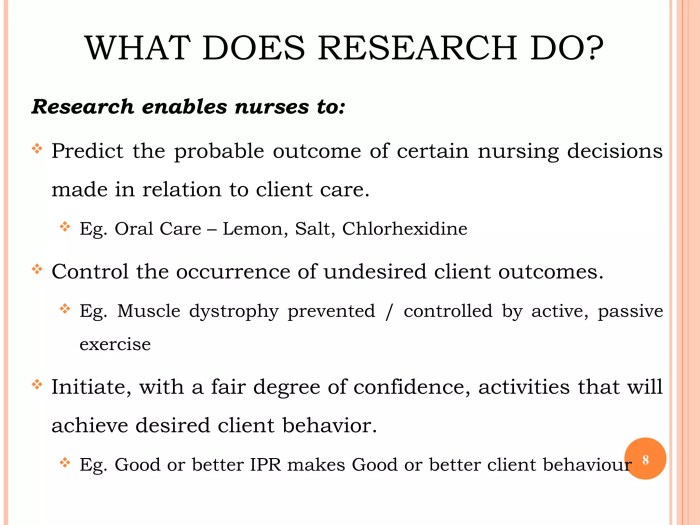
As we wrap up our thrilling adventure through the land of Nursing research, it’s clear this field is a treasure chest of insights waiting to be explored. From innovative techniques that elevate patient care to groundbreaking studies that challenge the status quo, nursing research is the superhero wearing scrubs, ready to tackle health challenges and revolutionize care practices. So, let’s keep the curiosity alive, because in the world of research, there’s always another corner to turn and another breakthrough to discover!
FAQ Insights
What is the primary goal of nursing research?
The primary goal of nursing research is to improve patient care and outcomes by generating new knowledge and applying evidence-based practices.
How can I get involved in nursing research?
You can get involved by seeking out research opportunities at healthcare facilities, pursuing graduate education in nursing, or collaborating with academic institutions.
What types of studies are commonly conducted in nursing research?
Common types of studies include qualitative interviews, quantitative surveys, randomized controlled trials, and systematic reviews.
Why is ethics important in nursing research?
Ethics ensures that research is conducted with integrity, protecting the rights and welfare of participants while promoting trust in the research process.
How does nursing research influence healthcare policy?
Nursing research provides evidence that can shape healthcare policies, leading to improved practices, better funding, and effective interventions.


