
Men’s mental health might just be the most underrated superhero of our time, swooping in to save the day when life gets a bit too heavy for the average guy. If you’ve ever wondered why your buddy seems to be carrying the weight of the world while trying to gaslight his emotions, you’re not alone! It’s time to peel back the layers of the mental health onion (without shedding too many tears) and tackle those pesky societal pressures that turn men into emotional ninjas, hiding their true feelings behind a mask of stoicism.
From the common mental health issues that sneak up on men like a rogue sock in the laundry to the powerful role that home health care can play in boosting their well-being, this adventure will explore how physical health is like the wingman that makes mental health shine. So buckle up, gents; we’re diving into a world where vulnerability is the new black!
Understanding Men’s Mental Health
Men’s mental health is a topic that often gets swept under the rug, like that one sock that always disappears in the laundry. With societal expectations that men should be tough, stoic, and emotionless, it’s no wonder many face various mental health challenges. The reality is that emotional struggles can affect anyone, regardless of gender, and understanding these issues is the first step toward creating a supportive environment for men to thrive.Common mental health issues faced by men include depression, anxiety, and substance abuse.
These conditions can manifest in different ways, often leading to feelings of isolation and frustration. Men might experience symptoms such as irritability, mood swings, or even physical ailments that they hesitate to connect to their mental state. A major factor contributing to these mental health struggles is the societal pressure to conform to traditional masculine ideals, which often discourages vulnerability and open communication about feelings.
Common Mental Health Issues
It’s crucial to recognize the specific mental health issues that many men encounter. Here are a few of the prevalent challenges:
- Depression: Often characterized by persistent sadness, loss of interest in activities, and difficulty in concentrating. Men may express their depression through anger or irritability rather than sadness.
- Anxiety Disorders: This includes generalized anxiety disorder, panic disorder, and social anxiety. Men might experience excessive worry and physical symptoms like sweating and a rapid heartbeat.
- Substance Abuse: Many men turn to alcohol or drugs as a coping mechanism for unresolved issues. Substance abuse can exacerbate existing mental health conditions, creating a vicious cycle.
- Suicidal Thoughts: Tragically, men are more likely to die by suicide compared to women. Factors such as societal pressures and reluctance to seek help contribute significantly to this issue.
Societal Pressures Affecting Men’s Mental Health
Societal pressures can create an environment where men feel they must suppress their emotions. Traditional norms may suggest that expressing feelings is a sign of weakness, leading to a lack of emotional expression. This can result in the following pressures:
- Expectation of Stoicism: From a young age, many boys are taught to “man up” and not show vulnerability, leading to emotional bottling.
- Financial Responsibility: The pressure to be the primary breadwinner can cause stress and anxiety, particularly in uncertain economic times.
- Career Success: The belief that personal worth is tied to professional achievements can lead to burnout and feelings of inadequacy.
- Relationship Norms: Men may feel pressured to be the protector and provider in their relationships, complicating emotional dynamics.
Coping Mechanisms for Men
Understanding effective coping mechanisms is vital for men dealing with mental health challenges. Here are some strategies that can help:
- Open Communication: Encouraging conversations about mental health can foster understanding and support. Talking to friends, family, or professionals can be immensely beneficial.
- Physical Activity: Regular exercise has been shown to improve mood and reduce anxiety. Even a simple walk can make a significant difference.
- Mindfulness and Meditation: Practices that promote mindfulness can help men become more aware of their feelings and manage stress better. Taking a few minutes each day to breathe deeply can work wonders.
- Seeking Professional Help: Consulting with a therapist or counselor can provide valuable insights and coping skills. It’s okay to ask for help—after all, even superheroes have sidekicks!
The Role of Home Health Care in Men’s Mental Wellbeing
Home health care is not just for the elderly or those with physical ailments; it plays a crucial role in maintaining men’s mental wellbeing, often in the comfort of their own homes. Imagine a scenario where a man, let’s call him Bob, is juggling work stress, family responsibilities, and a whirlwind of emotions. Enter home health care services, equipped like a superhero team ready to combat those murky mental health monsters.
Home health care professionals provide essential support for men’s mental health through personalized care plans, therapy sessions, and companionship. They help navigate the often turbulent waters of mental health by offering tailored interventions that address individual needs. A caring nurse or therapist can not only assist with medical management but also engage in meaningful conversations that bolster emotional resilience. This approach allows men to be in familiar surroundings, which is less intimidating than a clinical setting.
Successful Home Health Care Interventions
The effectiveness of home health care in enhancing men’s mental health can be illustrated with real-world scenarios. Here are some examples of successful interventions that brought positive changes:
- Case Study: Mark’s Journey
-Mark, a 45-year-old software engineer, battled anxiety and isolation. With a home health care provider, he engaged in weekly therapy sessions and interactive activities, like gardening, which helped him connect with nature and himself. Over six months, Mark reported a significant decrease in anxiety levels and an increased sense of community. - The Power of Conversation: Dave’s Experience
-Dave, a 50-year-old veteran, felt disconnected after retiring. Through home health care, he received regular visits from a mental health professional who facilitated discussions about his experiences. This not only helped Dave process his emotions but also inspired him to start a local support group for veterans, enhancing his sense of purpose and belonging. - Tom’s Transformation
-Tom, a 30-year-old father, struggled with depression after the birth of his child. A home health aide provided him with emotional support and practical help, like running errands or babysitting, allowing him time to recharge. The combination of professional guidance and practical assistance helped him regain his confidence and improve his mental health.
Choosing the right home health care provider is essential for maximizing the benefits of these services. Here are some vital steps to guide men in this critical decision-making process:
Guide to Choosing the Right Home Health Care Provider
Selecting a home health care provider can feel like finding a needle in a haystack. To make this easier, here are key considerations:
- Assess Credentials and Experience
-Look for providers with licensed professionals who have experience in mental health care. Always verify their qualifications and areas of expertise. - Evaluate Services Offered
-Different providers may specialize in various aspects of care. Ensure they offer services that align with your specific needs, such as therapy, counseling, or companionship. - Check Reviews and References
-Don’t shy away from asking for references. A good reputation often speaks volumes. Call other clients or families to gain insight into their experiences. - Discuss Care Plans
-A reputable provider will be transparent about how they develop individualized care plans. This ensures that your unique mental health needs are prioritized and addressed. - Trust Your Instincts
-Finally, trust your gut feeling. A good rapport with the caregiver is crucial for effective support. If it doesn’t feel right, don’t hesitate to look for alternatives.
“Home health care is like having a personal cheerleading squad that’s also a therapist. Go team mental health!”
The Impact of Physical Health on Men’s Mental Health
Physical health and mental health are like a dynamic duo, often intertwined in ways that can surprise even the most seasoned health nuts. Men, in particular, might find that their physical ailments don’t just stay in their own lane; they bring along their mental health buddies for the ride. Buckle up, because understanding the connections between physical health and mental wellbeing is essential for navigating the often bumpy road of manhood.
The Relationship Between Hypertension and Mental Health in Men
Hypertension, or high blood pressure, is not just a number that should be ignored; it’s a sneaky villain that can wreak havoc on both the body and mind. Research indicates a strong correlation between hypertension and various mental health issues, particularly anxiety and depression. When blood pressure rises, it’s like a stubborn teenager cranking up the volume—you can’t help but feel the pressure!
Physical Symptoms
The physical toll of hypertension can lead to fatigue, headaches, and a general sense of malaise, which naturally zaps the joy out of life.
Mental Symptoms
Studies show that men with uncontrolled hypertension are at a higher risk for developing anxiety disorders. It’s as if their minds are stuck in a perpetual state of worry, like a hamster on a wheel, tirelessly spinning but going nowhere.
Stress Connection
High blood pressure can exacerbate stress, creating a vicious cycle. Men may feel overwhelmed, which in turn contributes to further increases in blood pressure. Break this cycle, and you break the curse!
“Manage your blood pressure, and you might just manage your mood!”
Massage Therapy and Mental Health Outcomes
Let’s talk about a magical antidote: massage therapy. It’s not just for pampering yourself after a long week; it’s a powerful tool for improving mental health outcomes, especially for men who may be less inclined to seek help. Here’s why a good rubdown can do wonders for your noggin:
Relaxation Response
Massage stimulates the body’s relaxation response, reducing levels of cortisol—the stress hormone—while boosting serotonin and dopamine, two key players in improving mood.
Physical Release
Muscle tension can contribute to feelings of anxiety. A thorough massage can release this tension, leading to physical relief and a calmer mental state. Imagine your worries melting away like ice cream on a hot day!
Mindfulness Benefits
The act of receiving a massage encourages mindfulness, pushing aside the chaos of daily life and centering on the present moment. This practice can help manage racing thoughts and reduce symptoms of depression.
“When stress melts away, happiness has room to play!”
Comparative Analysis of Traditional Medicine and Holistic Approaches in Managing Mood Disorders
When it comes to tackling mood disorders, the ongoing debate between traditional medicine and holistic approaches is hotter than a jalapeño in the desert! Each has its merits, and understanding the differences can help men make informed choices about their mental health care.| Aspect | Traditional Medicine | Holistic Approaches ||—————————-|————————————-|————————————–|| Focus | Symptom relief and medication | Whole person, mind-body connection || Methods Used | Pharmaceuticals, therapy, etc.
| Lifestyle changes, herbal remedies, and mindfulness || Side Effects | May include adverse reactions | Generally fewer side effects, but requires discipline || Outcome Orientation | Quick relief in some cases | Long-term wellness and sustainability || Patient Engagement | Often passive (doctor prescribes) | Active involvement in one’s own healing |Men often face the dilemma of choosing between popping a pill or diving into yoga classes and herbal teas.
While traditional medicine can offer rapid relief for acute problems, holistic approaches emphasize prevention and overall wellness.
“Why choose one when you can blend the best of both worlds?”
Final Conclusion
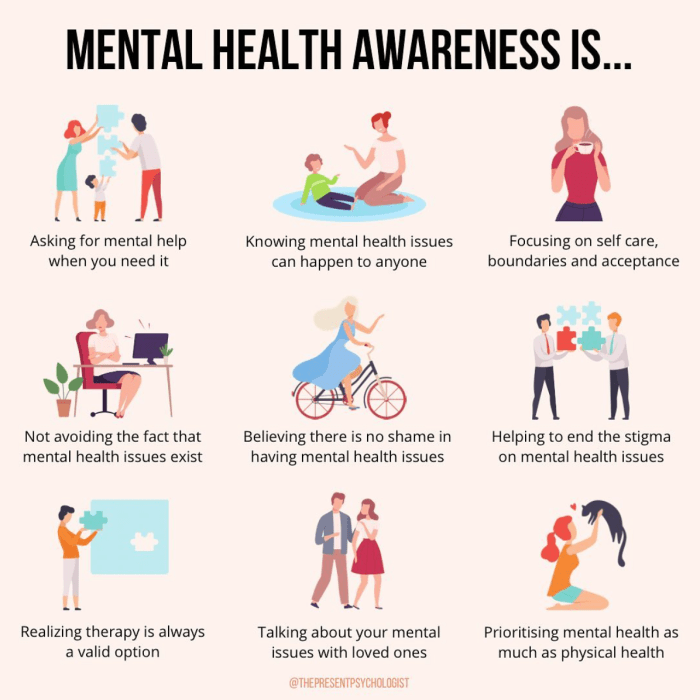
As we wrap up this journey through the highs and lows of men’s mental health, remember that it’s okay to not be okay. Embracing your feelings is like finally letting go of that old pair of jeans that’s two sizes too small; liberating and just plain freeing! With the right support—from understanding friends to top-notch home health care services—men can smash the stigma and emerge as champions of their own mental fortitude.
So here’s to taking charge, sharing the load, and knowing that asking for help is, in fact, the ultimate sign of strength!
Detailed FAQs
What are common mental health issues faced by men?
Men often face issues like depression, anxiety, and substance abuse, but they might not always express them openly.
How do societal pressures affect men’s mental health?
Societal expectations around masculinity can lead to emotional suppression, making it harder for men to seek help.
What coping mechanisms are effective for men?
Coping strategies include physical activity, talking to friends, or engaging in hobbies that bring joy.
How can home health care help with mental wellbeing?
Home health care can provide tailored support, ensuring men receive the help they need in a comfortable environment.
Does physical health impact mental health in men?
Absolutely! Conditions like hypertension can affect mood, while regular exercise boosts mental health significantly.


