
Welcome to the world of Home physical therapy, where your living room transforms into a healing oasis. Imagine trading in that sterile clinic smell for the comforting aroma of your favorite takeout while easing those mobility woes! That’s right, with the right techniques and a sprinkle of creativity, you can tackle your rehabilitation in the cozy confines of your own castle.
Home physical therapy offers a slew of benefits, especially for those battling mobility challenges. From the comfort of your couch to the safety of your hallway, this guide will not only highlight the perks but also arm you with practical techniques to make your home a therapy haven. So, grab your yoga mat, dust off that exercise ball, and let’s dive into the exciting world of healing at home!
Home Physical Therapy
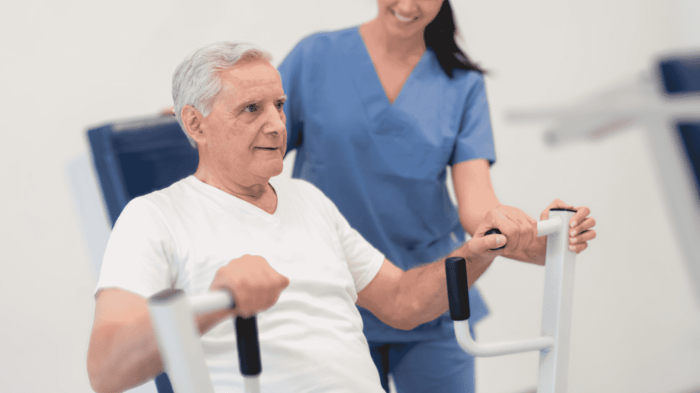
Home physical therapy offers a fantastic solution for patients with mobility issues, allowing them to receive personalized care in the cozy surroundings of their own abode. Imagine no longer having to navigate the crowded waiting room or endure awkward small talk at a clinic. Instead, your therapist arrives with a bag full of tricks and techniques to help you regain your strength while you lounge in your favorite pajamas!The benefits of home physical therapy extend far beyond convenience.
Not only does it provide a more relaxed atmosphere, but it also enables therapists to tailor sessions to each individual’s unique environment and needs. Whether it’s maneuvering around your coffee table or utilizing your living room chair for exercises, the therapy becomes specifically targeted to enhance your daily life.
Techniques Used in Home Physical Therapy Sessions
In home physical therapy sessions, a variety of techniques are employed to improve mobility and strength. Understanding these techniques helps patients appreciate the depth and versatility of their therapy. Here are some common methods utilized:
- Manual Therapy: This hands-on technique involves the therapist manipulating the patient’s joints and soft tissues to relieve pain and enhance mobility. Imagine your therapist as a skilled DJ, spinning the right moves to get those joints grooving again!
- Therapeutic Exercises: Tailored exercises strengthen muscles and improve flexibility. Think of it as your personal workout session—minus the heavy weights and sweaty gym crowd!
- Balance Training: Utilizing various props, therapists help improve balance and coordination. Picture yourself balancing on one leg while holding a laundry basket—only with professional guidance to prevent any accidental faceplants!
- Neuromuscular Re-education: This technique retrains the brain and muscles to work together more effectively. Envision it like a dance class where your body learns the steps to a new rhythm!
- Assistive Device Training: Patients are educated on the proper use of devices like walkers or canes. Think of it as a fashion show for mobility aids—strutting your stuff with style and confidence!
Setting Up a Home Therapy Space
Creating a dedicated space for home therapy can significantly enhance the experience and effectiveness of your sessions. Here’s a step-by-step guide to setting up your ideal therapy zone:
1. Choose a Suitable Area
Find a space with ample room to move around safely. Think open floor plan over cramped quarters—nobody wants a therapy session that doubles as an obstacle course!
2. Clear the Clutter
Remove any obstacles that could pose a risk during exercises. Pretend you’re preparing for a ninja training session—everything should have a purpose, and no unwanted items should be lurking around!
3. Gather Equipment
Collect necessary items such as resistance bands, a yoga mat, weights, or stability balls. It’s like gathering your superhero gadgets—make sure you have everything you need to conquer those mobility challenges!
4. Ensure Good Lighting
Proper lighting reduces the risk of falls and helps you see your therapist’s demonstration clearly. Imagine your space bathed in a warm, glowing light—making your therapy sessions feel like a spa day!
5. Comfortable Temperature
Adjust the thermostat to a comfortable setting. No one wants to feel like they’re working out in a sauna or shivering while trying to regain strength!
6. Add Personal Touches
Decorate the space with motivational quotes or pictures that inspire you. Transform your therapy area into a sanctuary of positivity—because who doesn’t want to be inspired while working on their balance?By following these steps, patients can create an inviting and functional environment that fosters successful home therapy sessions. Now, aren’t you just itching to get started?
Home Health Care
Home health care is like a cozy blanket on a chilly day—providing comfort, support, and a sense of security in the comfort of one’s own home. It encompasses a range of services designed to help individuals recover, manage chronic conditions, and maintain a healthy lifestyle without having to venture into the great unknown of hospitals. Home health care services are crucial for patients who prefer to receive medical attention in an environment that feels familiar and safe.
These services are tailored to meet the unique needs of each patient, ensuring that they receive the highest quality of care. Common services include nursing care, physical therapy, speech therapy, occupational therapy, and home health aide services. Each of these plays a vital role in promoting recovery, enhancing mobility, and supporting daily living activities, helping patients maintain their independence while navigating health challenges.
Key Services Included in Home Health Care
Home health care encompasses various essential services that cater to the diverse needs of patients. Understanding these services highlights their significance in providing holistic care.
- Nursing Care: Skilled nurses administer medications, monitor vital signs, and provide wound care, ensuring patients receive professional medical attention right at home.
- Physical Therapy: Therapists create personalized exercises to help patients regain strength and mobility, making everyday tasks less of a Herculean effort.
- Speech Therapy: This service assists individuals in recovering their ability to communicate after strokes or injuries, letting them get back to sharing their dad jokes in no time.
- Occupational Therapy: Occupational therapists assist patients in relearning daily activities, from dressing to cooking, making sure that they can live life to the fullest, even if it involves a little more creativity.
- Home Health Aide Services: These aides assist with personal care and companionship, providing valuable support that can brighten a patient’s day and remind them they’re not alone in their journey.
Selecting a Qualified Home Health Care Provider
Choosing the right home health care provider is akin to finding the perfect pair of shoes—it’s all about comfort and fit. A good provider ensures that patients receive high-quality, compassionate care tailored to their needs. When searching for a provider, consider the following tips to make an informed decision:
- Check Credentials: Ensure the agency is licensed and certified to operate in your area, as this guarantees adherence to health care standards.
- Experience Matters: Investigate how long the agency has been in business and their track record with patients who have similar health needs.
- Read Reviews: Seek out testimonials from other patients and families, as these are invaluable in gauging the agency’s reputation.
- Interview the Staff: Speak with nurses and therapists to assess their qualifications and approach to care—after all, it’s essential to feel comfortable with the team.
- Discuss Care Plans: Ensure the agency can develop personalized care plans that cater specifically to the patient’s unique needs and preferences.
Checklist for Ensuring Quality Home Health Care
A handy checklist acts as your trusty guide to ensuring quality home health care. It’s the road map to maintaining a high standard of care while navigating the complexities of health services.Consider these key points to evaluate the home health care being provided:
- Communication: Is there clear communication between the care team and family members?
- Care Plan Adherence: Are caregivers following the established care plan and making necessary adjustments based on patient progress?
- Safety Protocols: Are safety measures being observed to prevent falls or injuries at home?
- Patient Comfort: Is the patient comfortable and happy with the care they’re receiving, allowing for a cheerful atmosphere?
- Family Involvement: Are family members kept informed and involved in care decisions and progress?
Health and Hypertension
Managing hypertension is akin to trying to keep a balloon inflated while standing in a room full of sharp objects—one wrong move, and you could be in trouble! Fortunately, home physical therapy can be your trusty air pump, helping to control that pressure and keep your heart happy. Engaging in tailored physical therapy not only lowers blood pressure but also improves overall cardiovascular health, reducing the risks associated with hypertension.
Let’s dive into how physical therapy can be a game-changer for those managing high blood pressure.
Impact of Physical Therapy on Hypertension Management
Physical therapy serves as a wonderful tool in the management of hypertension, facilitating both physical and emotional health benefits. It’s designed to enhance movement and function, ensuring that daily activities can be performed without a hitch, even for those with elevated blood pressure. By integrating strength training, aerobic exercises, and flexibility routines, physical therapy can lead to a considerable reduction in blood pressure levels.
Consider these vital statistics: Research indicates that regular physical activity can lead to a reduction in systolic blood pressure by approximately 4-9 mm Hg. Furthermore, engaging in physical therapy helps lower stress levels, which is crucial since stress can be a significant factor in rising blood pressure.
Lifestyle Changes Complementing Home Physical Therapy
In addition to physical therapy, adopting certain lifestyle changes can significantly bolster hypertension management efforts. A healthy lifestyle creates a solid foundation for effective physical therapy, ensuring the best results for those aiming to keep their blood pressure in check. Here are some lifestyle modifications that can make a big difference:
- Balanced Diet: Focus on whole grains, fruits, vegetables, and lean proteins while reducing sodium intake. Think of it as your heart’s daily gourmet meal plan!
- Regular Physical Activity: Strive for at least 150 minutes of moderate aerobic exercise each week—dancing with your dog counts, too!
- Weight Management: Maintaining a healthy weight reduces the strain on your heart. Aiming for a BMI in the normal range can lower blood pressure significantly.
- Stress Management: Incorporate mindfulness practices like yoga or meditation into your routine to keep stress at bay. Remember, a calm mind is a happy heart!
- Avoiding Tobacco and Limiting Alcohol: Steering clear of cigarettes and moderating alcohol intake contributes positively to hypertension management.
Exercises Suitable for Individuals with High Blood Pressure
When it comes to exercise, not every routine is created equal, especially for individuals dealing with hypertension. Selecting suitable exercises is crucial to avoid undue strain on the heart. Below are some exercises that provide low-impact options while still delivering heart-health benefits:
- Walking: A leisurely stroll can do wonders. Aim for 30 minutes a day, and embrace the sights and sounds of your neighborhood.
- Swimming: This full-body workout is low-impact and refreshing—a perfect combo for a hot day!
- Cycling: Whether it’s on a stationary bike or a leisurely ride outdoors, cycling is an excellent way to get the heart pumping sans the heavy lifting.
- Yoga: The gentle stretches and breathing techniques not only improve flexibility but also lower stress levels and blood pressure.
- Resistance Training: Light resistance training with bands or light weights can strengthen muscles while being mindful of blood pressure levels.
Health and Massage
Massage therapy plays a crucial role in enhancing recovery during home physical therapy. While no one’s suggesting you replace your therapist with a housecat (despite their expert kneading), incorporating the right massage techniques can help alleviate muscle tension, boost circulation, and speed up recovery—making it the perfect sidekick on your healing journey.Integrating massage into your routine doesn’t require a fancy spa or an appointment with an elusive massage guru.
Instead, you can become the master of your own relaxation realm right at home. Below you’ll find some popular massage techniques that are easy to practice on your own or with a willing partner—just make sure they’re fully aware of the task at hand!
Massage Techniques for Home Practice
Understanding different massage techniques can empower you to enhance your physical therapy routine effectively. Here are some techniques that are not only effective but also easy to perform at home:
- Swedish Massage: This classic technique involves long, flowing strokes to increase circulation and promote relaxation. Think of it as your post-yoga nap on a sunny afternoon but with a side of intentionality.
- Deep Tissue Massage: By applying more pressure, this technique targets deeper layers of muscle. This is perfect for those tight spots that whisper sweet nothings of tension. Just ensure to communicate with your massage partner—there’s a fine line between therapeutic and torturous!
- Trigger Point Therapy: This technique focuses on specific tight areas, often referred to as “knots.” Using your fingers, you can apply pressure to these areas to help release tension. It’s like playing whack-a-mole, but with your muscles instead of pesky moles!
- Myofascial Release: This technique involves gentle pressure on the fascia—the connective tissue surrounding muscles. It’s akin to unwrapping a burrito (not your lunch, but your body) to make sure everything is in its place and comfortable.
Incorporating these techniques into your physical therapy routine not only relieves pain but also elevates your overall wellness game.
“Massage is like a hug you can give yourself, provided you have a good reach.”
Integrating Massage into Physical Therapy
To seamlessly blend massage into your physical therapy routine, consider the following guide. This will help ensure you’re getting the most bang for your buck—or rather, your strokes!
1. Warm-Up
Start with a gentle warm-up of light stretching or movement. Think of it as the pre-game for your muscles, readying them for the massage marathon ahead.
2. Choose Your Technique
Select a massage technique based on your needs for the day. Feeling tight? Go for deep tissue. Just need to unwind? Swedish it up!
3. Duration
Aim for at least 10-15 minutes of massage in conjunction with your physical therapy exercises. This doesn’t mean you have to clock in like a part-time job; just enough to feel rejuvenated.
4. Focus on Problem Areas
If you have specific pain points or areas of tension, spend a little extra time there. Just don’t forget to breathe—in and out, not like you’re about to break a world record in holding your breath!
5. Post-Massage Care
Don’t skip the cool down. Hydrate and stretch after your massage session to help your muscles recover. It’s like sending your body a thank-you note for the pampering it just received.By weaving massage into your physical therapy routine, you create a harmonious blend of recovery and relaxation—a match made in health heaven! Just remember, if your partner starts falling asleep on the job, it might be time to trade roles or consider a more energetic playlist.
Health and Meditation
Incorporating meditation into a home physical therapy regimen is like adding sprinkles to a cupcake; it elevates the experience and brings a burst of joy! Meditation not only enhances physical recovery but also nurtures mental resilience, making it easier to tackle those pesky rehab exercises. Let’s dive into how to blend mindfulness with movement, creating a harmonious healing environment right in the comfort of your home.Meditation serves as a powerful partner in physical therapy, targeting not just the body but also the mind.
When you combine gentle physical movements with focused breathing and mindfulness, you create a holistic healing process. Patients often find that this combination reduces anxiety, fosters a more positive attitude towards recovery, and even alleviates some physical discomfort. So, whether you’re stretching out on the mat or engaging in deliberate movements, let’s explore some methods to bring meditation into your routine.
Methods for Incorporating Meditation
Integrating meditation into your home physical therapy can be as simple as finding a comfortable position and tuning into your breath. Here are some practical methods to consider:
- Mindful Breathing: Before starting your therapy exercises, take a few moments to focus on your breath. Inhale deeply through your nose, expanding your diaphragm, and exhale slowly through your mouth. This not only prepares your mind but also helps ease muscle tension.
- Body Scan Meditation: While lying down or sitting, mentally scan your body from head to toe. Notice any sensations, tightness, or discomfort. This practice helps you become more aware of your body and can even alert you to areas needing extra attention during therapy.
- Visualization Techniques: Picture yourself completing your physical therapy exercises with ease and confidence. Visualizing success can boost motivation and create a more positive mindset towards challenging movements.
- Guided Imagery: Use guided meditation recordings that focus on healing and recovery. While performing exercises, listen to soothing voices that encourage relaxation and focus on your goals.
Mental Health Benefits of Meditation with Physical Therapy
The synergy between meditation and physical therapy can significantly enhance mental well-being. Engaging in mindfulness practices helps cultivate a sense of calmness and reduces stress, which is crucial when facing the challenges of recovery. Some notable benefits include:
- Reduced Anxiety: Meditation lowers cortisol levels, the stress hormone, helping you feel more relaxed and less overwhelmed by the rehabilitation process.
- Increased Focus: By practicing mindfulness, you sharpen your concentration, making it easier to complete physical therapy exercises effectively.
- Enhanced Mood: Regular meditation can lead to an increase in positive emotions, helping combat feelings of frustration or discouragement during recovery.
- Improved Resilience: The mental discipline gained through meditation fosters a greater capacity to cope with challenges, making it easier to stick with your therapy regimen.
Guided Meditation Exercises
Guided meditation can provide invaluable support for those undergoing physical therapy. Here are some tailored exercises that can be particularly beneficial:
- Healing Light Visualization: Imagine a warm, soothing light enveloping the area of your body that needs healing. This exercise helps promote relaxation and encourages the body to move toward recovery.
- Gentle Movement Meditation: Combine slow, deliberate movements with mindful breathing. For example, while performing arm raises, breathe in as you lift your arms and exhale as you lower them, connecting each action to your breath.
- Chakra Balancing: Focus on the energy centers of your body while performing your exercises. Visualizing each chakra being activated can help enhance your overall sense of well-being and restore balance to your physical and mental state.
“The mind is everything. What you think you become.” – Buddha
Mens Issues
Men, gather ’round! It’s time to chat about those pesky physical therapy needs that often get swept under the rug, right next to the gym socks you promised you’d wash last month. From backaches due to poor posture from binge-watching sports to injuries from attempting to lift that overly ambitious barbecue grill, men face unique health challenges that physical therapy can help address—without the need for a cape or a superhero costume.
Home therapy isn’t just about recovering from injuries; it’s a proactive approach to preventing future mishaps. With a little self-care and physical activity, men can tackle health issues before they become serious. Breaking a sweat can do more than just make your shirt smell; it’s a key player in keeping heart disease, diabetes, and high blood pressure at bay. So, let’s roll up those sleeves and dive into the world of home physical therapy for men!
Common Physical Therapy Needs in Men
Men often experience specific physical therapy needs that can be effectively addressed at home. These needs often stem from lifestyle choices, occupation-related strains, or simply the desire to stay active. Understanding these needs is essential for effective therapy.
- Lower Back Pain: Due to poor posture or heavy lifting. A simple routine of stretches and core strengthening can ease the discomfort.
- Shoulder Injuries: Often a result of sports or repetitive movements. Strengthening exercises targeting the rotator cuff can be beneficial.
- Knee Pain: Common among active individuals and those who might not stretch enough. Balance exercises and hamstring stretches can help alleviate this.
- Hip Pain: Often linked with sedentary lifestyles. Simple hip flexor stretches can work wonders.
“An ounce of prevention is worth a pound of cure.” – Benjamin Franklin, probably thinking about his own back pain.
Importance of Physical Activity in Men’s Health
Physical activity plays a monumental role in maintaining men’s health. The benefits stretch beyond just breaking a sweat; they include heart health, mental well-being, and even improving relationships with your couch. Regular movement can significantly reduce the risk of chronic diseases and enhance quality of life. Engaging in physical activity not only combats the infamous ‘dad bod,’ but it also packs a punch against nasty health issues lurking in the shadows.
Here are a few key aspects of how physical activity helps:
- Cardiovascular Health: Aerobic exercises such as jogging or swimming can strengthen the heart and improve circulation.
- Weight Management: Regular activity helps maintain a healthy weight, reducing the risk of diabetes and hypertension.
- Mental Health Benefits: Exercise releases endorphins, which can help alleviate stress and anxiety.
- Improved Mobility: Regular movement keeps joints flexible and muscles strong, which is crucial as men age.
“Exercise is a celebration of what your body can do, not a punishment for what you ate.”
Strategies for Staying Motivated During Home Therapy Sessions
Staying motivated during home therapy sessions can sometimes feel like trying to convince a cat to take a bath. Here are some strategies designed to help men stay engaged and not just channel their inner couch potato.Begin with setting realistic goals that don’t involve climbing Mount Everest but perhaps just standing up during TV commercials. Make these goals visible – a chart on the fridge that tracks progress can be both motivating and a great conversation starter for when friends drop by.
- Buddy System: Find a friend to join in on your sessions. You can both provide motivation and comic relief!
- Mix It Up: Don’t just stick to one boring routine. Change things up with yoga, resistance bands, or even dance-offs in the living room.
- Reward Yourself: Create a reward system where every completed session earns you a treat—whether it’s a favorite snack or a few minutes of extra video game time.
- Make It Fun: Use music, podcasts, or even comedy shows to lighten the mood while you work on your therapy exercises.
“The only bad workout is the one that didn’t happen – or the one that involved a treadmill for too long!”
Mind Body Spirit
The concept of integrating mind, body, and spirit in home therapy is like a three-legged stool; if one leg is wobbly, you might just end up on your behind! A holistic approach to health takes into consideration every facet of a person’s well-being. When we pursue physical therapy at home, emphasizing the connection between our mental state and physical health can be as essential as that last slice of pizza at a party—absolutely necessary!Mindfulness practices play a pivotal role in enhancing physical rehabilitation.
By being aware of the present moment, individuals can improve their recovery outcomes. Mindfulness encourages relaxation, reduces stress, and even boosts motivation, all of which can speed up recovery and make therapy sessions feel a tad less like a chore.
Designing a Holistic Home Therapy Routine
Creating a home therapy routine that marries the mind, body, and spirit involves more than just a few stretches and some light breathing. It’s about weaving together practices that nourish the whole self, so let’s explore some essential components:
Physical Exercises
Whether it’s gentle yoga poses, strength training, or a brisk walk around the block, physical activity is the bread and butter of rehabilitation. Aim for at least 30 minutes a day—unless you’re running from a bear, then it’s perfectly acceptable to skip your workout!
Mindfulness Meditation
Setting aside just 10-15 minutes a day for deep breathing or guided meditation can work wonders. Picture yourself on a beach, feeling the sand between your toes—unless you’re at home, then just imagine it, but there’s no need to call the vacuum cleaner to your rescue!
Nutritional Awareness
Eating mindfully means paying attention to what you consume. Not only can nutritious food fuel your body, but it can also uplift your spirits. Try to include colorful fruits and veggies in your meals—after all, if it looks like a rainbow, it’s probably good for you!
Journaling
Writing down thoughts and feelings can clarify your mind and provide insights into your emotional health. It can also be a great way to vent without causing a scene in public—just don’t expect your notebook to give you advice back!
Gratitude Practices
Start or end your day by acknowledging three things you are grateful for. This small shift in focus can help transform your mindset from “Ugh, another day” to “Woohoo, another chance to shine!”
Relaxation Techniques
Incorporate activities such as tai chi or gentle stretching. These are great for linking breath to movement, fostering awareness and relaxation. Think of it as a dance party for your muscles—just without the disco ball!
Mindfulness: the art of being present without scrolling through your phone.
By combining these elements into a home therapy routine, individuals can create a nurturing environment that not only heals the body but also uplifts the spirit. Remember, health is not just about the physical; it’s about a symphony of mental clarity and spiritual harmony. So, let’s get that trio in sync and turn those therapy sessions into a harmonious experience!
Mood Disorders
Mood disorders can feel like a heavy cloud hanging over one’s head, a situation made worse when combined with the everyday stressors of life. However, physical therapy can act as a ray of sunshine, providing not just physical benefits but also lifting spirits and enhancing emotional well-being. This transformation occurs because physical activity stimulates the production of endorphins, often known as the “feel-good” hormones, which can contribute to an overall happier mood.Incorporating physical therapy into the daily routine can be a game changer for individuals struggling with mood disorders.
Physical activities tailored to individual needs can improve mood by increasing social interactions, reducing the focus on negative thoughts, and providing a sense of accomplishment. Moreover, creating a supportive home environment can help bolster these positive effects, ensuring that emotional health is nurtured alongside physical wellness.
Creating a Supportive Home Environment
Establishing a nurturing home environment plays a crucial role in the emotional well-being of individuals with mood disorders. A few key aspects can foster positivity and support:
- Designate a Relaxation Zone: Create a cozy nook with soft lighting, comfortable seating, and calming scents. Think of it as a ‘mood improvement station’ where stress goes to die.
- Incorporate Greenery: Plants not only beautify a space but also improve air quality. Studies show that being around plants can reduce stress and enhance mood – the more, the merrier!
- Minimize Clutter: A messy space can lead to a cluttered mind. Regular tidying up can create a more peaceful atmosphere, allowing thoughts to flow freely like a river of positivity.
- Encourage Socialization: Whether it’s hosting a game night or simply having family meals, fostering connection can significantly enhance mood. Remember, laughter is the best medicine—unless you have a cold, then it’s chicken soup!
Combining Physical Activity with Therapeutic Practices
Integrating physical activity with therapeutic practices can create a powerful synergy that boosts mood and emotional health. Here are some effective strategies:
- Mindful Movement: Activities like yoga and tai chi not only build strength and flexibility but also promote mindfulness, helping to ground individuals in the present moment.
- Dance Therapy: Who says therapy can’t be fun? Turning on some music and dancing is a fantastic way to release pent-up emotions while also getting a cardio workout. Bring out your inner dancing queen!
- Group Classes: Joining group therapy sessions or classes can provide social support while promoting physical health. Working out with others can feel less daunting, like a team of superheroes fighting off mood villains together.
- Outdoor Activities: Nature has a magic effect on our mood. Activities like hiking or cycling not only improve physical health but also allow individuals to soak in the beauty of their surroundings, giving their emotional state a lift.
“The body achieves what the mind believes.” A positive mindset coupled with physical activity can pave the way to emotional wellness and resilience.
Health and Nursing
Nursing plays a pivotal role in the realm of home physical therapy, serving as the bridge between medical expertise and compassionate patient care. Nurses are not just the friendly faces bringing medications and checking vitals; they are the patient advocates, educators, and cheerleaders who ensure that home therapy goes off without a hitch—think of them as your personal health sidekick, minus the cape.The collaboration between nurses and home physical therapy patients is crucial for achieving optimal health outcomes.
Nurses monitor progress, provide emotional support, and help manage any concerns that may arise during therapy. They are integral in developing tailored care plans that align with both the physical and emotional needs of patients. By staying attuned to the patient’s condition, nurses can make necessary adjustments to the therapy regimen and ensure that the patient remains motivated and engaged.
Effective Communication Strategies
Effective communication between nurses and families is essential for enhancing patient care. Clear and open dialogue ensures that everyone is on the same page, making it easier to address concerns and celebrate progress. Here are some strategies that can help foster better communication:
- Regular Check-Ins: Frequent updates keep families informed about the patient’s condition, progress in therapy, and any adjustments needed in care plans, making them feel involved and valued.
- Use of Clear Language: Avoiding medical jargon helps families understand complex medical information. Using simple, relatable terms can illuminate even the foggiest health concepts.
- Encouraging Questions: Nurses should create an open environment where families feel comfortable asking questions. This empowers them to take an active role in the patient’s care.
- Visual Aids: Using diagrams or charts can simplify understanding. Visuals can break down complex exercises or health information, making it easier for families to grasp and remember.
Nurse Education on Self-Administered Techniques
Equipping patients with knowledge about self-administered physical therapy techniques can foster independence and confidence. Nurses are key to educating patients, helping them understand how to manage their health actively. Here’s how nurses can effectively educate patients:
- Demonstration of Techniques: Nurses can show patients and families the correct way to perform exercises. Visual demonstrations are often more effective than verbal instructions alone.
- Personalized Exercise Plans: Providing tailored exercise regimens that consider the patient’s specific abilities and needs can enhance compliance and effectiveness.
- Follow-Up Resources: Handing out printed materials or links to instructional videos can support learning outside of nursing visits. This way, patients can revisit techniques whenever they need a refresher.
- Setting Realistic Goals: Helping patients set achievable goals promotes motivation and a sense of accomplishment, making the therapy journey less daunting and more rewarding.
“Nursing is not just an action, but an art of communication and education that empowers patients to take charge of their health.”
Closing Notes
As we wrap up our journey through the realms of Home physical therapy, remember that healing doesn’t just happen in a clinic; it can flourish right in your living room! By combining innovative techniques, elements of mindfulness, and perhaps a touch of humor, you can make your home a sanctuary for recovery. Whether you’re working on mobility or embracing holistic wellness, the power of home therapy is at your fingertips—literally! So, roll up those sleeves, and get ready to heal in style!
Q&A
What types of conditions can be treated with home physical therapy?
Home physical therapy can effectively treat a variety of conditions, including post-surgical recovery, arthritis, stroke rehabilitation, and more.
How do I find a qualified home physical therapist?
Look for licensed professionals with experience in home care. Ask for referrals or check online reviews to ensure you choose someone reputable.
Can family members participate in therapy sessions?
Absolutely! Involving family members can enhance motivation and provide support during exercises and activities.
How often should I schedule home therapy sessions?
Typically, sessions are scheduled 1-3 times a week, depending on the individual’s needs and goals, but always consult your therapist for personalized recommendations.
What should I prepare for my home therapy sessions?
Clear a space in your home for exercises, gather any necessary equipment (like resistance bands or weights), and set a comfortable temperature to keep the vibes just right.


