Welcome to the world of Hypertension management, where blood pressure stays in check and stress runs for the hills! Imagine a place where your heart pumps happily, and the only pressure you feel is the excitement of a good Netflix binge. Today, we’re diving into the nitty-gritty of keeping your blood pressure down, your spirits up, and your health on the right track.
From home health care strategies that make monitoring your blood pressure as easy as pie to clever lifestyle changes that could turn your heart into a well-oiled machine, we’re here to explore every nook and cranny of hypertension management. So grab your stethoscope (or at least a comfy chair), and let’s get rolling!
Home Health Care for Hypertension Management
Managing hypertension is like trying to balance a plate of spaghetti on a unicycle—challenging yet rewarding when done right! Home health care plays a pivotal role in this balancing act, offering support and strategies that can help keep blood pressure in check while allowing patients to feel like the maestros of their own health. With a sprinkle of humor and a dash of diligence, let’s dive into how home health care makes hypertension management a far less daunting endeavor.
Role of Home Health Care in Hypertension Management
Home health care professionals serve as the trusty sidekicks in the battle against high blood pressure, providing essential services that can include monitoring, education, and emotional support. This environment allows patients to receive personalized care while surrounded by the comforts of home. Here are some key roles they fulfill:
- Monitoring Blood Pressure: Regular checks ensure that the blood pressure remains within the target range and help identify any potential spikes or dips early on.
- Medication Management: Home health care staff can assist in medication adherence, reminding patients when to pop those pills and keeping track of refills like a diligent librarian managing a book checkout system.
- Dietary Guidance: Professionals provide nutritional advice to help patients whip up heart-healthy meals that wouldn’t scare off even the pickiest of eaters!
Strategies for Monitoring Blood Pressure at Home
Keeping tabs on blood pressure at home is crucial for effective hypertension management. Think of it as your own health-centric reality show—“Keeping Up with the Pressure”—where the stakes are high, but so are the rewards! Here are some handy strategies to ensure you’re the star of the show:
- Invest in a Reliable Monitor: Choose an automatic blood pressure cuff that fits your arm like a glove. Ensure it’s validated for accuracy, because no one wants a diva in their health routine!
- Consistent Timing: Measure your blood pressure at the same times each day—morning and evening are often best. This consistency helps you spot trends faster than a contestant on a cooking show can whip up a soufflé!
- Record Your Readings: Maintain a logbook or use an app to track your readings. This helps you and your health care team identify patterns and make necessary adjustments—like a GPS recalibrating your route to health!
Importance of Patient Education and Self-Management
Knowledge is power, especially when it comes to managing hypertension. Patient education is like handing someone the keys to a shiny new car—suddenly, they’re in control of their journey toward better health! Here are some vital points illustrating the significance of education and self-management:
- Understanding Hypertension: Knowing what hypertension is and how it affects the body is crucial. Awareness transforms patients from passive observers into active participants in their care.
- Recognizing Symptoms: Educating patients on recognizing symptoms of high blood pressure empowers them to take timely action, ensuring they don’t miss any vital health signals.
- Healthy Lifestyle Choices: Patients learn the importance of diet, exercise, and stress management—turning everyday choices into powerful weapons in the fight against hypertension!
“Knowledge is the antidote to hypertension panic—arm yourself with information!”
Integrating Health and Medication in Hypertension Treatment
Managing hypertension often feels like a complex dance, where medication and lifestyle changes must harmonize to create a beautiful rhythm of health. The integration of health and medication is a crucial step in ensuring that individuals not only lower their blood pressure but also maintain their wellbeing. With the right medications and a solid commitment to adherence, patients can likely keep their hypertension at bay and revel in the joys of life—like having a second slice of cake without the guilt!
Commonly Prescribed Medications for Hypertension
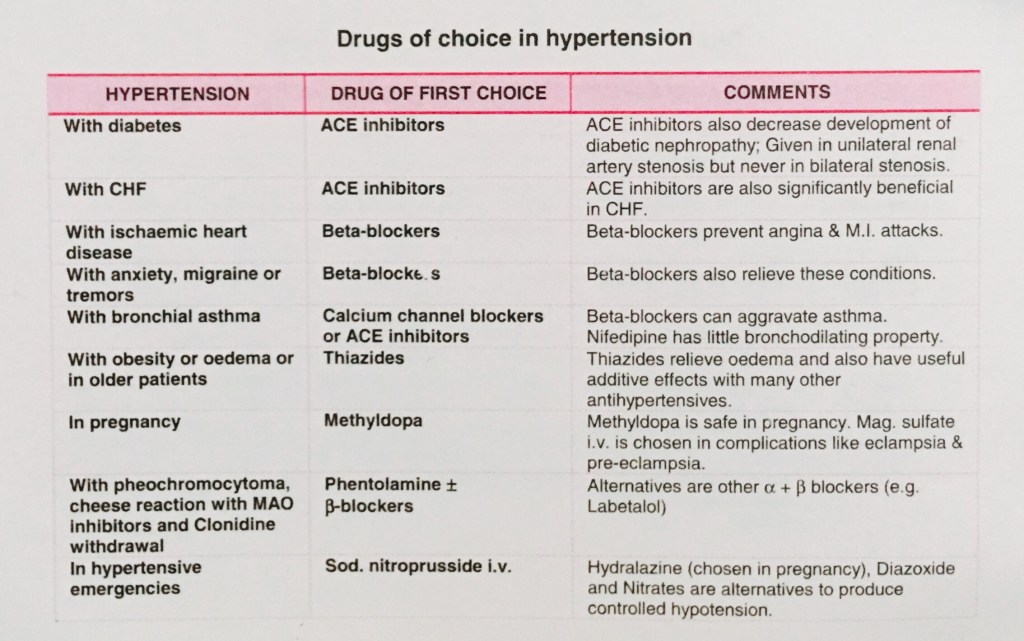
A medley of medications is available to tackle hypertension, each with its own unique mechanism, much like a superhero team assembled to save the day. Here’s a breakdown of the most commonly prescribed classes:
- Diuretics: Often dubbed ‘water pills’, they help the body eliminate excess sodium and fluid, which can reduce blood pressure. Think of them as the trusty sidekick that keeps the villain (high blood pressure) at bay by flushing out the excess baggage.
- ACE Inhibitors: These block the formation of a hormone that constricts blood vessels. By opening things up, they allow blood to flow more freely. Picture them as the traffic controllers of your circulatory system, ensuring everything runs smoothly.
- ARBs (Angiotensin II Receptor Blockers): Similar to ACE inhibitors but with a twist, ARBs prevent blood vessels from narrowing. They’re like the friendly neighborhood superhero, stopping trouble before it starts.
- Calcium Channel Blockers: These help relax the muscles of your heart and blood vessels. Think of them as yoga instructors for your blood vessels—getting them to chill out and breathe deep.
- Beta-Blockers: By reducing the heart rate and the heart’s workload, these medications act like a calm voice in a chaotic room, helping to lower blood pressure with a gentle approach.
Importance of Medication Adherence
Medication adherence is the golden key to unlocking the door of hypertension management. When patients take their medications as prescribed, they significantly increase their chances of keeping their blood pressure in a healthy range. However, barriers can arise, creating obstacles on the path to adherence. Some common culprits include:
- Forgetfulness: With life’s hustle and bustle, it’s easy to forget a dose or two. Setting reminders or using pill organizers can help keep this sneaky villain at bay.
- Side Effects: Some medications come with side effects that can be uncomfortable. Open communication with healthcare providers can lead to adjustments in treatment, smoothing out those bumps in the road.
- Cost: If medication prices are sky-high, it can feel like scaling a mountain. Patients should discuss cheap alternatives or generic options with their doctors or pharmacists.
- Lack of Symptoms: The absence of symptoms can lead some to believe that medication is unnecessary. Like a superhero without a cape, just because you can’t see it, doesn’t mean it’s not working!
Evaluating Medication Effectiveness
Evaluating the effectiveness of a medication regimen is like tuning a musical instrument—regular checks ensure that everything is in harmony. Methods for assessing how well the medications are working include:
- Regular Blood Pressure Monitoring: Keeping a close eye on blood pressure readings allows patients and healthcare providers to see how well medications are controlling hypertension. Consistency is key—like practicing a musical scale daily!
- Patient Feedback: Honest discussions about how patients feel can provide important insights. Feeling fabulous? That’s a good sign! Feeling sluggish? Time to chat with the doc.
- Lab Tests: Routine lab tests can help monitor kidney function and electrolytes, ensuring the medications aren’t causing any unintended side effects—like a backstage check before a big show.
- Adherence Tracking: Using adherence apps or pillboxes can help measure whether patients are sticking to their regimens, making sure our heroes are always on duty and ready for action.
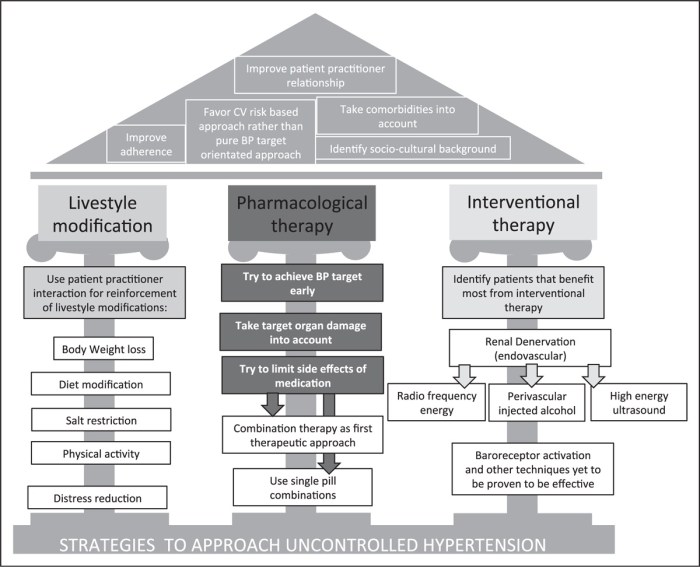
Effective hypertension management requires a strong partnership between medication and lifestyle changes—together, they can conquer the villain!
The Impact of Lifestyle on Hypertension
Managing hypertension is not just a job for your doctor; it involves a whole team effort that starts right in your kitchen and continues through your daily routine. Think of it as assembling your superhero squad—each member plays a crucial role in keeping those blood pressure levels in check, and you, my friend, are the captain of this mission! With a few lifestyle changes, you can send hypertension packing.
Dietary Changes That Can Lower Blood Pressure
Eating your way to lower blood pressure might sound like a dream, but it’s more of a tasty reality. The right foods can work wonders for your hypertension. Here, we’ll Artikel some dietary heroes that deserve a spot on your plate:A heart-healthy diet is your first line of defense. The DASH diet (Dietary Approaches to Stop Hypertension) is a fantastic way to start.
Here’s what you should include in your daily meal plan:
- Fruits and Vegetables: Aim for at least five servings a day. Think of your plate as a colorful artist’s palette—more colors equal better health!
- Whole Grains: Swap white bread for whole grain options. Your heart will thank you for it, and so will your taste buds!
- Lean Proteins: Chicken, turkey, and fish are your friends. They’re the reliable sidekicks that provide energy without all the saturated fat.
- Low-Fat Dairy: Yogurt and skim milk can help lower blood pressure due to their calcium content. Just skip the sugary stuff; your body is not a piñata!
- Nuts and Seeds: Almonds, walnuts, and flaxseeds are little powerhouses of healthy fats. Snack on them instead of chips for a blood-pressure-friendly option.
Don’t forget to keep your sodium intake in check! The recommendation is to stick to less than 2,300 mg a day, but aiming for 1,500 mg can be even better.
Regular Physical Activity Contributes to Hypertension Management
Exercise isn’t just a great way to shape up—it’s also a powerful tool to lower blood pressure! Regular physical activity strengthens your heart, enabling it to pump blood more efficiently and with less effort, meaning less pressure on your arteries. To reap the benefits, aim for at least 150 minutes of moderate aerobic activity each week. Here’s how to stay active in a fun way:
- Walking: A brisk walk not only gets your blood flowing but also gives you a chance to enjoy the great outdoors. Who knew nature could be your gym?
- Swimming: Glide through the water like the magnificent mermaid you are! Swimming is low-impact and great for your joints.
- Cycling: Pedal your way through town—it’s like exploring a new world while giving your heart a workout. Bonus: it’s good for the environment too!
- Dancing: Whether it’s the tango or the twist, get your groove on! Dancing is a fun way to burn calories and lower stress.
Remember, consistency is key! Find activities you enjoy, and you’re more likely to stick with them.
Role of Stress Management Techniques in Controlling Hypertension
Stress is like that pesky fly at a picnic—annoying and sometimes hard to swat away. High stress levels can lead to increased blood pressure, so mastering stress management techniques is crucial for hypertension control. Let’s dive into some stress-busting strategies that can make a difference:
- Meditation: Just a few minutes a day can bring peace to your mind and body. Imagine floating on a cloud, far away from your stressors—blissful, right?
- Yoga: This ancient practice combines physical postures, breathing exercises, and meditation to help you chill out. Think of it as a buffet for both your body and mind!
- Massage: Treat yourself to a massage and let those knots melt away. It’s not just a luxury; it’s a way to lower your blood pressure and elevate your mood.
- Deep Breathing: Inhale the good vibes, exhale the bad. Practicing deep breathing exercises can calm your nervous system and reduce stress.
By integrating these techniques into your daily routine, you’re equipping yourself with the tools to battle hypertension like a pro.
“Managing lifestyle factors like diet, exercise, and stress can dramatically improve blood pressure readings.”
So gear up, make these lifestyle changes, and wave goodbye to hypertension. Your future self will thank you for it!
Summary
And there you have it, folks! A whirlwind tour through the ins and outs of hypertension management that proves staying healthy doesn’t have to be a chore—it can actually be a bit of fun! With the right mix of medication, lifestyle tweaks, and a splash of home health care, you’re well-equipped to keep that blood pressure in check while living your best life.
So go on, embrace the journey, and remember, laughter is the best medicine—just after the right meds and a good diet, of course!
FAQ Corner
What is hypertension?
Hypertension, often called high blood pressure, is when the force of your blood against your artery walls is consistently too high. Think of it as your blood saying, “I need more space!”
How can I monitor my blood pressure at home?
You can use a digital blood pressure monitor, which is as simple as pressing a button and letting the machine do the work. Just remember to sit calmly, because even machines don’t like drama!
What dietary changes can help lower blood pressure?
Incorporating more fruits, vegetables, whole grains, and low-fat dairy while slashing sodium intake can work wonders. It’s like giving your heart a spa day!
How important is exercise in managing hypertension?
Exercise is essential! Regular physical activity can lower your blood pressure significantly, making you feel as if you could run a marathon (or at least jog to the fridge without losing breath).
Can stress really affect my blood pressure?
Absolutely! Chronic stress can lead to temporary spikes in blood pressure. So, don’t forget to take a breather—whether it’s through meditation, yoga, or just binge-watching your favorite sitcom.


