
Welcome to the wacky world of mental health treatment, where therapy is the new black and mindfulness is the secret ingredient to a happier life! If you thought tackling mental health was all about sitting on a couch and discussing your deepest fears, think again! From the wonders of cognitive-behavioral therapy (CBT) to the latest techy twist of virtual reality therapy, we’re diving deep into how to get your mind back in shape.
Join us as we explore the many approaches to mental health treatment that could turn your frown upside down. We’ll compare the power of medication against the magic of therapy, shed some light on home health care support, and even uncover lifestyle changes that can work wonders on your mental well-being. Spoiler alert: massage therapy might just be your new best friend!
Mental Health Treatment Approaches
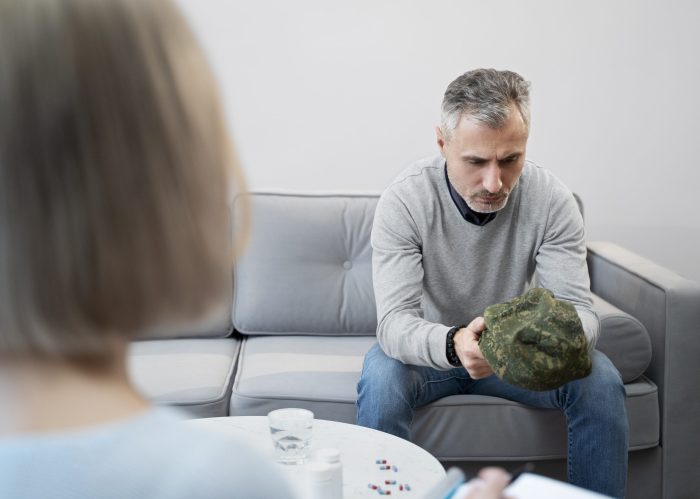
Mental health treatment is like a buffet: there’s something for every taste, and it’s essential to pick the right plate! With a delightful assortment of therapeutic approaches and treatments, individuals can find what satiates their psychological cravings. Whether you prefer a chat with a therapist or a pill from the pharmacy, the key is to discover what works best for you—without the guilt of overindulging!Different therapeutic approaches contribute uniquely to mental health treatment.
Cognitive-behavioral therapy (CBT) is akin to a personal trainer for your brain, helping you to rewire negative thought patterns like a tech-savvy wizard. Psychodynamic therapy dives into the treasure chest of your subconscious, shining a light on bygone events to reveal how they influence your current emotions. Meanwhile, humanistic therapy focuses on personal growth and self-actualization, like a motivational speaker who’s also your best friend, pushing you to reach your fullest potential.
Cognitive-Behavioral Therapy
Cognitive-behavioral therapy (CBT) operates on the principle that our thoughts shape our feelings and behaviors. This is crucial for navigating the emotional rollercoaster that life can sometimes be. CBT can be particularly effective in treating anxiety and depression, as it arms individuals with tools to challenge destructive thinking patterns that can make them feel like they’re stuck in a never-ending loop.
Psychodynamic Therapy
Psychodynamic therapy takes a deep dive into the depths of the human psyche. It explores the interplay between conscious and unconscious thoughts and emphasizes how early life experiences shape current behaviors. Think of it as an archaeological dig for emotional artifacts! By understanding these deep-seated issues, clients often find clarity and a path to healing.
Humanistic Therapy
Humanistic therapy focuses on the individual’s capacity for self-actualization and personal growth. It operates on the belief that people can achieve their fullest potential when they have a supportive and non-judgmental environment. This therapy is like having a personal cheerleader, encouraging you to embrace your true self while navigating the complexities of life.
Effectiveness of Medication versus Therapy
When it comes to treating mental health disorders, medication and therapy can be like Batman and Robin—each with their unique skills and strengths but even better together! Medication, such as antidepressants or anti-anxiety drugs, can provide quick relief for symptoms, much like a caffeine boost on a Monday morning. However, therapy is essential for long-term growth and understanding, addressing the root causes rather than just slapping a Band-Aid on the symptoms.
Emerging Treatments
The world of mental health treatment is evolving, with innovative approaches making waves. Virtual reality therapy allows individuals to confront phobias or anxiety-inducing situations in a controlled and safe environment, making it feel like a sci-fi movie come to life! Mindfulness-based stress reduction (MBSR) emphasizes being present and fully engaged with the moment, helping individuals to manage stress with the grace of a seasoned yogi.
“In a world where you can be anything, be kind to your mind!”
These emerging treatments are paving the way for the future of mental health care, inviting people to explore their inner worlds in new and exciting ways. Whether you’re donning a VR headset or practicing mindfulness under a tree, the journey to mental wellness is filled with possibilities and opportunities for laughter and growth.
Home Health Care for Mental Wellness
Home health care is like the warm hug your grandmother gives you after a long day, but instead of cookies, it provides vital support for mental health recovery. With a gentle nudge and a sprinkle of professionalism, home health care providers can play a significant role in enhancing mental wellness while giving individuals the comfort of their own space.Home health care providers are essentially the superheroes of mental health treatment—minus the capes, of course.
They swoop in, equipped with strategies to support treatment outcomes and foster environments conducive to recovery. These professionals not only administer care but also offer compassion, guidance, and a listening ear, ensuring that patients feel understood and supported right at home. Their presence can bridge the gap between clinical treatment and everyday life, making it easier for individuals to manage their mental health challenges.
Benefits of Integrating Mental Health Services into Home Health Care Programs
Integrating mental health services into home health care programs can transform the way individuals access support. This integration ensures that care approaches are holistic, addressing both physical and emotional well-being in a seamless manner. Below are key benefits that come with this integration:
- Personalized Care: Home health care allows for tailored plans based on individual needs, making support more effective.
- Convenience: Patients receive care in the comfort of their homes, reducing the stress associated with travel and unfamiliar environments.
- Continuous Support: Regular visits from providers help maintain accountability and consistent monitoring of mental health progress.
- Family Involvement: Having providers in the home encourages family members to participate actively, enhancing the support network.
- Cost-Effectiveness: Home care can be a more affordable option compared to extended hospital stays or frequent outpatient visits.
The integration not only enhances treatment outcomes but also fosters a sense of normalcy and stability, making recovery feel more achievable.
Strategies for Creating a Supportive Environment for Mental Health Recovery at Home
Establishing a supportive environment for mental health recovery at home is akin to turning your living room into a cozy retreat—complete with comfy cushions and a firm commitment to mental wellness. Here are some strategies that individuals and families can adopt:
- Open Communication: Encourage honest discussions about feelings and experiences, ensuring everyone feels heard and valued.
- Routine Establishment: Create a daily routine that includes time for activities that promote relaxation and joy, such as reading, yoga, or binge-watching cat videos.
- Positive Reinforcement: Celebrate small victories and progress, reinforcing the notion that recovery is a journey with ups and downs.
- Safe Spaces: Designate areas in the home for relaxation and mindfulness practices, free from distractions and stressors.
- Professional Support: Regularly involve mental health professionals to conduct sessions or check-ins, offering expert guidance and support.
Establishing these strategies creates a nurturing atmosphere where individuals feel secure and empowered on their path to recovery. It’s like fortifying a castle—only instead of walls, you’re building a fortress of understanding, kindness, and support.
Impact of Lifestyle on Mental Health
The intricate dance between lifestyle choices and mental health is like a duet of two over-caffeinated squirrels: chaotic yet captivating. Just as a well-tuned ballad can soothe the soul, unhealthy habits can lead to a cacophony of mental distress. Stress, hypertension, and lifestyle choices play pivotal roles in shaping our mental wellness, reminding us that the path to serenity often winds through the forest of our daily decisions.
Hypertension Management and Mental Health
Managing hypertension is not just a matter of keeping the blood pressure gauge in check; it’s also about nurturing your mental state. High blood pressure can be both a cause and a consequence of stress, creating a vicious cycle. Stress triggers the adrenal glands to produce hormones like cortisol, which can elevate blood pressure and potentially lead to anxiety and depression.
In contrast, embracing a lifestyle filled with mindfulness practices, balanced nutrition, and physical activity can significantly ease both hypertension and mental turmoil.
- Healthy Diet: A diet rich in fruits, vegetables, and whole grains can lead to better heart health and balanced mood. Think of it as feeding your brain a delicious smoothie instead of a greasy burger.
- Regular Exercise: Physical activity reduces stress and releases endorphins, the body’s natural mood lifters. Just a brisk walk can turn a frown upside down!
- Mindfulness Techniques: Practices like deep breathing and meditation can diminish stress levels and lower blood pressure, creating a serene environment for mental relaxation.
“Keeping stress at bay can help you reel in that unruly blood pressure and dance the tango of tranquility.”
Massage Therapy for Anxiety and Depression
Massage therapy serves as a delightful antidote to the heavy burdens of anxiety and depression. This age-old practice doesn’t just pamper your body; it actually works on a deeper level to alleviate mental strain. A good massage can lower cortisol levels and increase serotonin and dopamine, the feel-good chemicals in our brains. At home, you can easily incorporate massage techniques into your routine.
Here are some simple ways to do so:
- Self-Massage: Use your fingers to apply pressure to areas like the temples, neck, and shoulders while taking deep breaths. It’s like giving yourself a mini-vacation from stress!
- Foam Rolling: This technique can relieve muscle tension and promote relaxation. Just roll away your worries like they’re a stubborn tumbleweed caught in a windstorm.
- Essential Oils: Incorporate calming scents like lavender or chamomile into your massage. A few drops on your palms can enhance your at-home spa experience, making stress float away like a leaf on a gentle stream.
Wellness Plan for Mental Well-Being
Designing a wellness plan is akin to crafting your own personal recipe for happiness, where each ingredient contributes to a deliciously balanced mental state. A comprehensive plan should integrate health, meditation, and physical activity to support the mind, body, and spirit harmoniously.Consider the following components for an enriching wellness plan:
- Nutrition: Prioritize whole foods, such as leafy greens, lean proteins, and healthy fats. Remember, what you eat can either fuel your fire or extinguish it.
- Mindfulness and Meditation: Allocate time daily to practice mindfulness. This could be as simple as a five-minute breathing exercise or a full-blown meditation session. Think of it as a brain spa day!
- Physical Activity: Engage in at least 30 minutes of exercise most days. Whether it’s dancing like nobody’s watching or yoga where you might just end up in a pretzel shape, keep it fun!
“An integrated approach to wellness nurtures the mind, body, and spirit, resulting in a harmonious symphony of mental well-being.”
Embracing a lifestyle that fosters mental health is not just a duty; it’s a delightful journey filled with discoveries, laughter, and the occasional awkward yoga pose. So, let’s turn down the stress, tune up our happiness, and step into a life that celebrates both body and mind!
Last Word
And there you have it! A delightful romp through the land of mental health treatment, where we learned that caring for your mind is as important as caring for your body. Whether you choose to meditate, seek help from home health care, or try out the latest therapy techniques, remember that every little step counts in your journey to mental wellness.
So go out there, embrace your quirks, and give your mental health the TLC it deserves!
User Queries
What is cognitive-behavioral therapy?
Cognitive-behavioral therapy (CBT) is a popular treatment that helps individuals identify and change negative thought patterns and behaviors to improve their emotional well-being.
How effective are medications for mental health?
Medications can be effective for many mental health disorders, especially when combined with therapy, but they work differently for everyone.
Can I do mental health treatment at home?
Absolutely! Home-based strategies, like meditation and creating a supportive environment, can enhance your mental health treatment journey.
What role does lifestyle play in mental health?
Your lifestyle choices—like diet, exercise, and stress management—can directly impact your mental health, so it’s wise to choose wisely!
Are there new treatments for mental health?
Yes! Emerging treatments like virtual reality therapy are gaining traction and show promising results in engaging patients in their mental health care.


