
Imagine a world where superheroes come in tiny vials, armed and ready to battle the bad guys lurking in our bodies! Well, that’s the magic of immunization, the unsung hero of public health. With a rich history and an impressive array of vaccines at its disposal, immunization is the ultimate sidekick in our quest for health, shielding us from diseases that might otherwise crash our party.
From the early days of smallpox to the modern marvels of mRNA technology, immunization has evolved into a cornerstone of preventive health. This adventure will take you through vaccine types, recommended schedules, and even the role of home healthcare pros in keeping us up to date on our shots. Spoiler alert: they’re not just here to take your temperature!
Immunization Basics
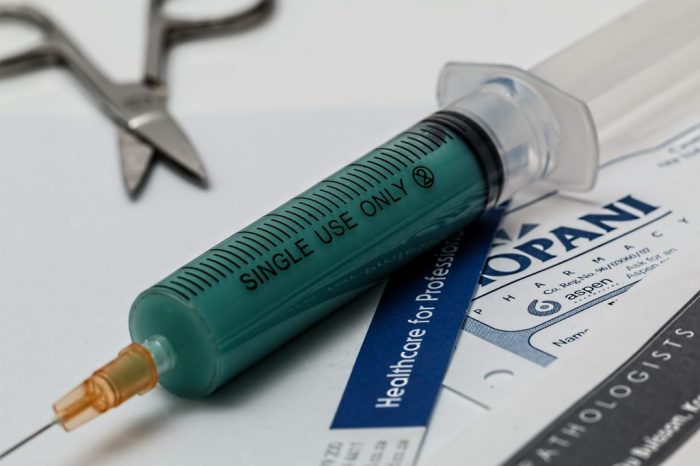
Immunization is like giving your immune system a superhero cape, enabling it to battle against nasty villains known as viruses and bacteria. It has a long and storied history, with roots dating back to ancient practices that laid the groundwork for modern vaccines. The importance of immunization in public health can’t be overstated; it’s a game-changer that has saved millions of lives, turning once-fatal diseases into mere footnotes in medical history.The world of vaccines is vast and diverse, comprising various types designed to protect against specific diseases.
Each vaccine serves its purpose, like a well-trained army ready to defend against potential threats. Vaccination is not only vital for individual protection but also for achieving herd immunity, which ensures that even those who cannot be vaccinated are shielded from diseases.
Types of Vaccines
Vaccines come in different flavors, each with its own unique way of tackling diseases. Here are some of the main types along with their uses:
- Live Attenuated Vaccines: These vaccines contain weakened forms of the virus or bacteria. Think of them as the “lightweights” in the boxing ring. They elicit a strong immune response and are used for diseases like measles, mumps, and rubella.
- Inactivated or Killed Vaccines: The bad guys are dead! These vaccines contain viruses or bacteria that have been killed. They still provoke an immune response without the risk of causing disease, as seen in the polio and hepatitis A vaccines.
- Subunit, Recombinant, or Conjugate Vaccines: These vaccines use specific pieces of the virus (like proteins) to stimulate an immune response. They are often used for diseases like HPV and whooping cough, akin to using a tiny piece of the enemy to train the guards.
- Messenger RNA (mRNA) Vaccines: A new kid on the block, mRNA vaccines teach our cells how to fight off infections by using genetic material from the virus. They were pivotal in the response to COVID-19 and are paving the way for future vaccine developments.
Immunization Schedule for Different Age Groups
Getting vaccinated is a bit like following a recipe—each ingredient needs to be added at just the right time. The immunization schedule is carefully crafted to ensure maximum protection throughout life. Here’s a breakdown of what to expect at different ages:
- Infants (0-12 months): This is the time to start building that superhero immune system! Vaccines for hepatitis B, rotavirus, and DTaP (diphtheria, tetanus, and pertussis) are given during this stage.
- Children (1-6 years): As children grow, it’s time to add more ingredients. This includes MMR (measles, mumps, rubella), varicella (chickenpox), and more DTaP boosts to keep those defenses strong.
- Preteens and Teens (7-18 years): This phase is all about preparing for the future! Tdap is given as a booster, and the HPV vaccine is introduced to protect against certain cancers. Don’t forget about the meningococcal vaccine, keeping those teen adventures safe!
- Adults (19 years and older): Immunization isn’t just for kids! Adults need to keep up with boosters for tetanus and diphtheria, as well as other vaccines based on lifestyle and health conditions, like the flu shot.
In summary, immunization is a crucial pillar of public health, with a rich history and a variety of vaccines designed to combat infectious diseases. Following the recommended immunization schedule helps ensure that everyone—from tiny tots to seasoned adults—stays protected and healthy.
Home Health Care and Immunization
In the delightful world of home health care, where cozy slippers and medical expertise unite, immunization plays a vital role in protecting patients from diseases. Home health care professionals are the unsung heroes who ensure that vaccines don’t just sit in vials but instead make their way into arms, preventing illnesses like a well-aimed superhero punch. With a mix of compassion and a sprinkle of humor, they educate families, tackle challenges, and celebrate vaccinations like they’re the latest trend in comfort food.
Role of Home Health Care Professionals in Immunization
Home health care professionals are the frontline warriors in the quest for optimal health, especially when it comes to immunization. Their responsibilities include assessing patient needs, coordinating vaccination schedules, and ensuring that the home environment is conducive to receiving these crucial shots. They often serve as the bridge between medical facilities and home settings, making sure that vaccines are administered safely and effectively.
These professionals can also help reduce vaccine hesitancy by providing accurate information and addressing concerns directly. Their hands-on approach brings a personal touch to immunization, removing the sterile atmosphere that often accompanies clinics. Plus, who wouldn’t prefer getting a shot in the comfort of their own home rather than in a bustling waiting room?
Patient and Family Education in Home Care Settings
In the realm of home health care, education is key, and home health professionals excel at turning complex medical jargon into bite-sized, digestible pieces. They can use creative methods to educate patients and families about the importance of vaccines, making the process as engaging as a family game night.
- Interactive Discussions: Engaging in meaningful conversations can help clarify myths and misconceptions about vaccines. Home health professionals can use anecdotes and relatable examples to demystify the process.
- Visual Aids: Using charts, infographics, or even videos can make the benefits of immunization more tangible. Imagine a colorful poster showing how vaccines have reduced diseases over time—it’s like a history lesson with a happy ending!
- Storytelling: Sharing success stories of patients who received vaccinations can encourage families to view immunization as a positive step toward health, rather than a scary needle scenario.
These educational methods not only inform but also empower families, making them active participants in their health care journey.
Challenges in Administering Immunizations at Home
While home health care professionals strive to provide the best immunization services, they face unique challenges that can make their job feel like navigating a maze blindfolded. From logistical nightmares to patient apprehension, the hurdles can be many—but like any good puzzle, solutions are often at hand.
- Logistical Issues: Coordinating vaccine supplies and ensuring proper storage temperatures can be tricky. Having a backup plan, like portable coolers for vaccine transport, makes all the difference.
- Patient Anxiety: Some patients may be hesitant about receiving vaccinations at home. Employing distraction techniques—like engaging them in conversation about their favorite TV shows—could ease their nerves during the process.
- Communication Barriers: Families may have varying levels of health literacy. Simplifying information and utilizing teach-back methods ensures that everyone is on the same page, making it less like a game of telephone and more like a supportive chat.
By addressing these challenges head-on with creativity and compassion, home health care professionals not only administer vaccines but also reinforce the importance of immunization in creating healthier communities.
Health and Hypertension Related to Immunization
Immunization plays a vital role in safeguarding our health, particularly for individuals grappling with hypertension. A well-immunized body can fend off various infections that may trigger spikes in blood pressure. Thus, understanding the relationship between vaccines and hypertension can lead to healthier, happier lives for those managing this chronic condition.Hypertension, or high blood pressure, is a serious health concern that can lead to more severe conditions such as heart disease and stroke.
Vaccinations help prevent infections like influenza and pneumonia, which can stress the cardiovascular system. This stress can exacerbate hypertension, making effective immunization an essential preventive strategy for hypertensive patients. For instance, a simple flu infection can lead to increased blood pressure, so getting vaccinated can keep one’s blood pressure in check and prevent unnecessary complications.
Vaccination Rates Among Hypertensive Patients
The disparity in vaccination rates between hypertensive patients and the general population often highlights a critical health concern. Understanding these rates can shed light on the need for targeted health initiatives. Below is a comparison that underscores the importance of vaccinations for those with hypertension:
| Population Group | Vaccination Rate (%) |
|---|---|
| Hypertensive Patients | 65 |
| General Population | 75 |
It’s clear from this data that hypertensive individuals are lagging behind in vaccination rates. This gap is concerning as it highlights a risk factor for both infectious diseases and the potential for increased hypertension-related complications.
Importance of Vaccination for Older Adults with Hypertension
Older adults with hypertension face unique challenges that make vaccination critically important. With age, the immune system’s efficiency declines, leaving seniors more susceptible to infections that can exacerbate hypertension. Vaccination can substantially reduce the incidence of illnesses that pose a threat to older individuals, such as seasonal flu and pneumonia. Consider the following points regarding the significance of vaccination for this demographic:
- Older adults are at greater risk of severe complications from infections, including respiratory issues that can lead to heightened blood pressure.
- Vaccines can prevent hospitalization due to preventable diseases, reducing the overall health burden on both individuals and healthcare systems.
- A robust vaccination strategy can help maintain a healthier lifestyle, enabling seniors to stay active and engaged in their communities, positively impacting their mental and emotional well-being.
“An ounce of prevention is worth a pound of cure,” especially when it comes to hypertension and the health of our older adults.
By prioritizing vaccinations, we not only protect our aging population but also help them manage hypertension more effectively, paving the way for a healthier future.
Mental Health and Immunization
Immunization is often viewed through the lens of physical health, but its impact on mental health is equally significant. When communities exhibit high vaccine hesitancy, the ripple effects can extend into the psychological well-being of individuals. This interplay between vaccination status and mental health can lead to various outcomes, particularly in environments where misinformation thrives. Understanding the relationship between immunization and mental health is crucial, especially in communities hesitant to embrace vaccines.
Vaccine-preventable diseases can unleash a flurry of psychological distress, leading to a heightened risk of mood disorders such as anxiety and depression. The fear of outbreaks and the social stigma associated with being unvaccinated can create a breeding ground for mental health issues.
Psychological Effects of Vaccine-Preventable Diseases
The psychological toll of vaccine-preventable diseases can be profound. When individuals contract these diseases, the consequences are not just physical but also emotional. The following points illustrate how these diseases can impact mental health:
- Fear and Anxiety: The knowledge of potential illness can instigate a constant state of worry and anxiety, affecting daily life.
- Social Isolation: Those affected might withdraw from social situations to avoid stigmatization or due to the physical limitations imposed by illness.
- Post-Traumatic Stress: Surviving a severe illness can lead to long-term anxiety and post-traumatic stress disorder (PTSD), significantly affecting mental well-being.
- Impact on Families: Families dealing with the aftermath of vaccine-preventable diseases often face emotional strain, as caregivers may experience burnout and anxiety.
These points underscore the importance of viewing immunization as a key element of mental health promotion.
Designing Vaccination Campaigns to Address Mental Health
Creating effective vaccination campaigns that consider mental health concerns can substantially improve public acceptance and participation. Below are strategies to design these campaigns:
- Community Engagement: Involve community leaders who can address fears and misinformation directly, fostering trust and openness.
- Emphasizing Mental Health Benefits: Highlight how vaccination not only protects physical health but also contributes to mental well-being, reducing anxiety about disease outbreaks.
- Support Systems: Establish support networks where individuals can discuss their concerns about vaccines in a safe environment, thereby reducing stigma.
- Educational Outreach: Utilize humorous and relatable content that breaks down complex information about vaccines, making it more approachable and less intimidating.
By addressing these aspects, vaccination campaigns can become more holistic, ensuring that mental health is part of the conversation surrounding immunization.
“The true benefit of immunization extends beyond physical health; it offers psychological relief and promotes community well-being.”
Final Thoughts
So there you have it, folks! Immunization is not just about needles and band-aids; it’s about a community coming together to protect one another, regardless of age or background. As we’ve seen, the impact of vaccines stretches far and wide, from home health care to mental wellness. So let’s all roll up our sleeves and embrace the power of immunization—after all, who wouldn’t want to be part of such a super squad?
FAQ Corner
What is immunization?
Immunization is the process of making a person immune to certain diseases, typically through vaccination.
Are vaccines safe?
Yes, vaccines go through rigorous testing for safety and effectiveness before they are approved for public use.
How do vaccines work?
Vaccines stimulate the immune system to recognize and fight off specific pathogens without causing the disease itself.
What are vaccine side effects?
Common side effects include mild fever, soreness at the injection site, or fatigue—these are usually short-lived!
Can I get vaccinated if I’m sick?
It depends on the illness; consult your healthcare provider to determine the best time for vaccination.


