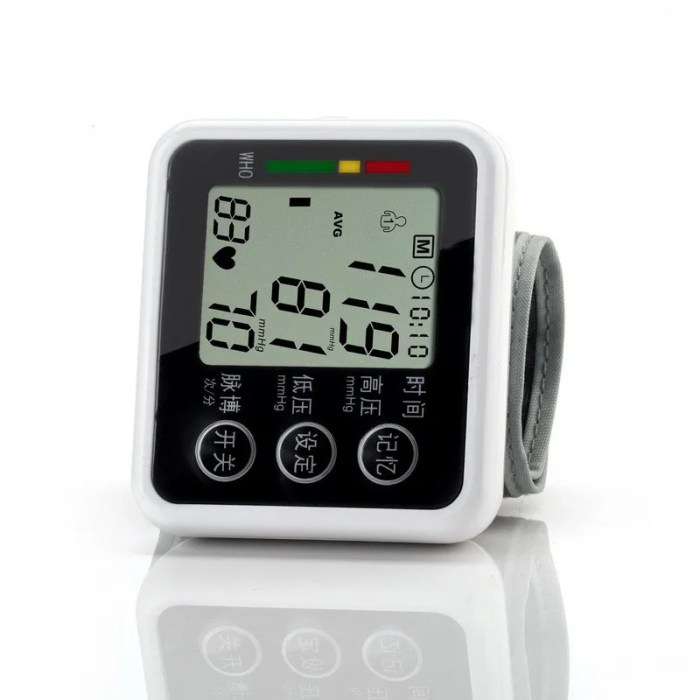
Ever wonder why your doctor seems to have a love affair with those cuff-wearing gadgets? Welcome to the world of the blood pressure monitor, where numbers can be more thrilling than a rollercoaster ride! Regularly checking your blood pressure is crucial for your health, as it helps catch those sneaky hypertension villains before they wreak havoc on your wellness.
These trusty devices have become the superheroes of home health care, willing to reveal the secrets of your cardiovascular fate with just a squeeze and a beep. Whether you’re a tech enthusiast or a fan of the old school, there’s a blood pressure monitor out there that fits your style and keeps your heart in check!
Importance of Blood Pressure Monitoring
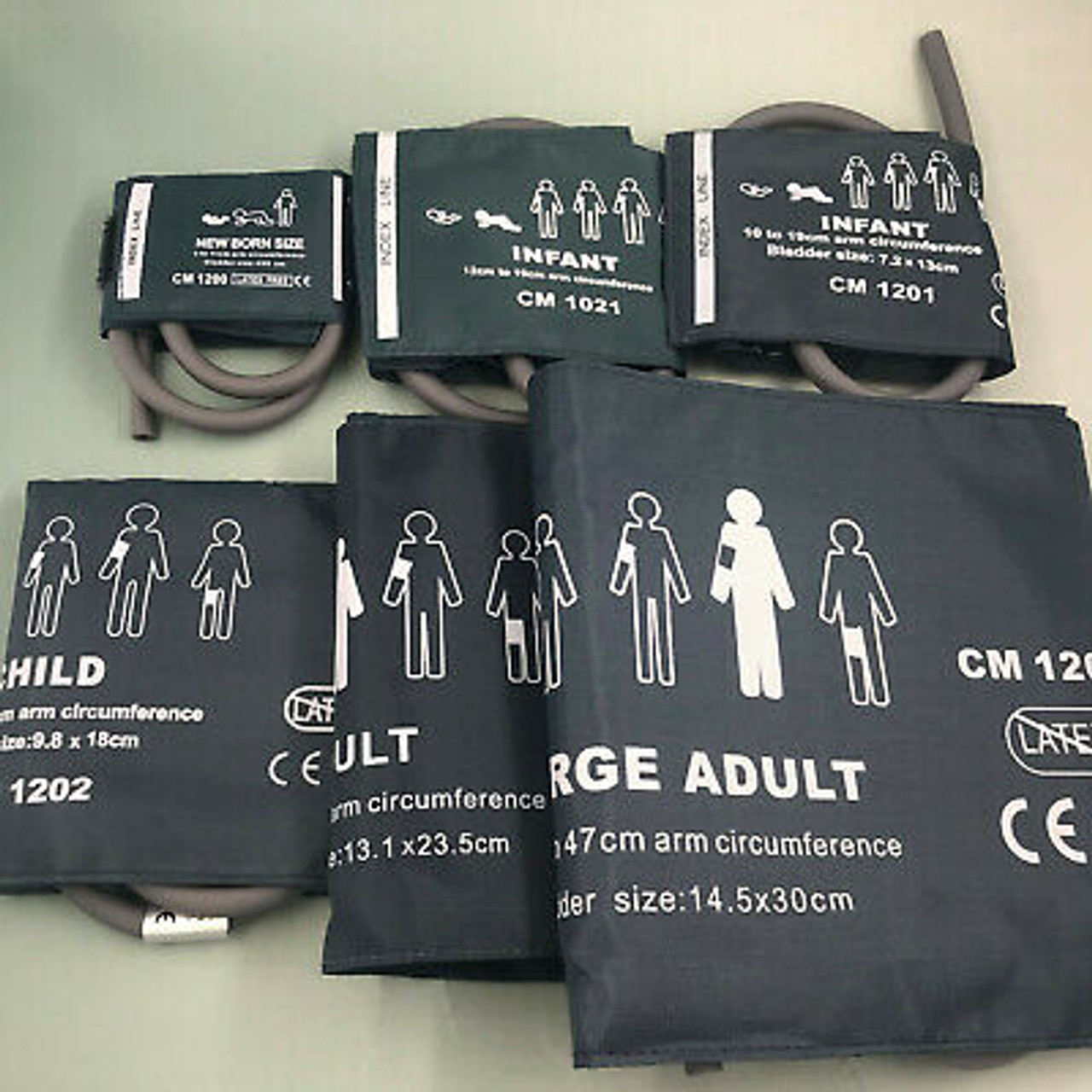
Regular blood pressure monitoring is akin to having a reliable weather forecast for your health—without it, you’re left guessing whether the storm of hypertension is brewing or if it’s sunny skies ahead! Keeping tabs on your blood pressure is essential for maintaining overall health and avoiding the sneaky pitfalls of hypertension, which can lead to a myriad of health issues if not managed properly.
Monitoring blood pressure allows individuals to catch fluctuations early, enabling proactive measures that can prevent complications like heart disease, stroke, and kidney problems. It’s like having your own personal health superhero, swooping in to save the day before hypertension can wreak havoc on your body.
Impact of Hypertension on Overall Health
Hypertension, or high blood pressure, is often dubbed the “silent killer” because it frequently lurks in the shadows without symptoms, waiting to ambush unsuspecting victims. The repercussions of unchecked hypertension can be as dramatic as a soap opera plot twist. Here are the serious impacts that high blood pressure can have:
- Heart Disease: High blood pressure forces the heart to work overtime, leading to problems like heart attacks and heart failure. Think of it as your heart running a marathon every day, eventually leading to exhaustion.
- Stroke: Elevated blood pressure can cause blood vessels in the brain to burst or become blocked, resulting in a stroke. It’s like having a traffic jam in your brain, and nobody wants that!
- Kidney Damage: Hypertension can damage the blood vessels in your kidneys, reducing their ability to filter waste properly. Imagine your kidneys as a pair of overworked janitors at a messy party—eventually, they just can’t keep up!
- Vision Loss: High blood pressure can lead to vision problems or even blindness due to damage to the blood vessels in the eyes. Keeping your blood pressure in check is essential for seeing the beauty of the world.
Understanding these potential dangers underscores the importance of regular blood pressure checks. Being proactive about monitoring can help you avoid the high drama of hypertension-related health crises while promoting a life filled with vitality and energy—like being the star of your own health reality show, minus the melodrama!
Role of Blood Pressure Monitors in Home Health Care
A blood pressure monitor is a trusty gadget, much like a loyal sidekick for your health journey. It empowers you to take charge of your blood pressure readings in the comfort of your own home, turning you into a health detective on the case of your own well-being. Here’s how these monitors play a pivotal role in home health care:
- Convenience: Home monitors are easy to use and provide instant readings, eliminating the need for frequent trips to the doctor’s office. It’s like having a mini doctor at home—minus the lab coat and questionable coffee.
- Regular Monitoring: Consistent tracking allows individuals to observe trends over time, helping to identify patterns that can be crucial in managing blood pressure. It’s like being the Sherlock Holmes of your cardiovascular health!
- Empowerment: Being informed about your blood pressure gives you the power to make lifestyle changes—whether it’s adjusting your diet, increasing physical activity, or simply mastering the art of stress reduction.
- Early Detection: Regular home monitoring can help catch irregular readings that might otherwise go unnoticed, enabling timely consultation with healthcare providers. It’s your first line of defense against the sneaky advances of hypertension!
In summary, blood pressure monitors are not just gadgets; they are essential tools in the mission to maintain healthy blood pressure levels. Armed with accurate information and the right technology, you can confidently navigate your health journey, avoiding the drama and staying in control of your overall wellness.
Types of Blood Pressure Monitors
When it comes to keeping tabs on your blood pressure, it’s not as simple as just picking a fancy device off the shelf. With a plethora of choices available, understanding the types of blood pressure monitors can feel like trying to navigate a maze blindfolded. But fear not, brave health warrior! We’re here to shine a light on the path to your perfect pressure-monitoring companion.Blood pressure monitors come in various shapes and sizes, each tailored to meet different needs and preferences.
From the classic manual sphygmomanometer to the sleek digital monitors that could easily pass for high-tech gadgets, there’s something for everyone. Let’s delve into the nitty-gritty of these devices, comparing the features, benefits, and user experiences, and even throw in a comparison table for good measure!
Comparison of Digital and Manual Blood Pressure Monitors
Understanding the differences between digital and manual blood pressure monitors is crucial in making an informed decision. Here are some key points about each type:Digital Monitors:
- These sleek, modern devices often come with an automatic inflation feature that takes the guesswork out of your readings.
- Many models have large displays, making the numbers easier to read, especially for those who’ve been squinting at life’s little details.
- Some digital monitors even have built-in memory to store previous readings, which is perfect for those who prefer tracking their progress like a pro athlete.
- They often have additional features like irregular heartbeat detection and connectivity to smartphones for health tracking apps.
Manual Monitors:
- Known for their reliability and accuracy, manual monitors require a bit more skill (and a steady hand) to operate, as they rely on a stethoscope and a bit of practice.
- They are typically more affordable than digital ones, providing a cost-effective choice for the budget-conscious.
- For enthusiasts of old-school techniques, using a manual monitor can feel like a nostalgic trip to the doctor’s office.
- However, they can be more prone to user error, especially if you’re trying to read the numbers while balancing on one leg.
Here’s a handy table to compare user-friendliness and accuracy of some popular brands:
| Brand/Model | User-Friendliness | Accuracy |
|---|---|---|
| Omron BP785N | Very Easy | Highly Accurate |
| Withings BPM Connect | Easy | Highly Accurate |
| FlexiPort Manual Monitor | Moderate | Very Accurate |
| Beurer BM55 | Very Easy | Accurate |
“Accuracy is key in blood pressure monitoring, but so is ease of use—choose wisely!”
Integrating Blood Pressure Monitoring with Health Practices
Regularly checking your blood pressure is not just a ticket to a boring doctor’s appointment; it can be your backstage pass to better health! When it comes to mood disorders, keeping tabs on your blood pressure can be as crucial as your morning coffee—or that nightly Netflix binge. Monitoring these numbers paves the way for a smoother ride through the rollercoaster of emotions, helping to maintain a balance in both body and mind.Blood pressure levels are more than just numbers; they tell a story about your health, influencing everything from your mood to your ability to relax.
Studies suggest a fascinating connection between high blood pressure and increased anxiety, making it essential to monitor your readings for a happier, healthier you. For example, individuals practicing regular meditation see improvements in both their blood pressure and mental well-being, aligning mind and body like a well-tuned orchestra.
Impact of Blood Pressure on Mood Disorders
Understanding the link between blood pressure and mood disorders can help in managing mental health more effectively. Blood pressure readings can serve as a helpful tool for people experiencing mood fluctuations, providing insights into how external factors may influence their mental states.
Monitoring Emotional Responses
Regular blood pressure monitoring can help individuals identify patterns in their emotional responses. For instance, if someone notices elevated pressure during stressful situations, they can take proactive measures to calm themselves.
Tailoring Interventions
Based on blood pressure readings, individuals can personalize their self-care strategies. For example, if readings spike during high-stress periods, incorporating more relaxation techniques can be beneficial.
Routine Check-Ins
Consistent monitoring fosters a sense of control and awareness. This can reduce anxiety levels, as individuals can “know” their bodies better and respond accordingly.
Relationship Between Blood Pressure, Meditation, and Relaxation Techniques
Meditation and relaxation techniques play a pivotal role in maintaining optimal blood pressure levels, thus contributing positively to mood stability. Engaging in these practices regularly not only calms the mind but can also lower blood pressure, creating a beautiful feedback loop of tranquility.
Meditation Practices
Mindfulness meditation has been shown to reduce stress and anxiety, which can significantly lower blood pressure. Picture a serene environment where one sits cross-legged on a yoga mat, breathing deeply, while the heart rate takes a vacation.
Deep Breathing Techniques
Simple deep breathing exercises can instantly lower tension and blood pressure. Imagine taking a deep breath in for four counts, holding it for four, and exhaling for six—this technique can make you feel like a zen master navigating through chaos.
Progressive Muscle Relaxation
This technique involves tensing and then relaxing different muscle groups, which can help lower blood pressure. As muscles release, stress melts away like ice cream on a sunny day!
Incorporating Blood Pressure Monitoring into Daily Health Routines
Integrating blood pressure monitoring into daily life is easier than finding an excuse to skip the gym. With a bit of creativity and consistency, these readings can seamlessly fit into your health regimen.
Morning Rituals
Start your day by checking your blood pressure along with your caffeine intake. This sets a positive tone for the day and helps you keep a handle on your health from the get-go.
Health Journals
Keeping a journal to track your blood pressure alongside your mood can reveal fascinating correlations. Who knew your high reading was due to that awful “office coffee”?
Setting Reminders
Use technology to your advantage—set reminders on your phone to check your blood pressure. Think of it as your personal cheerleader, shouting, “You’ve got this!” while you’re busy living your best life.By incorporating blood pressure monitoring into health practices, individuals can promote a balanced approach to both physical and mental well-being, creating a harmonious lifestyle that’s as vibrant as a double rainbow after a storm.
Final Thoughts
So, there you have it! Blood pressure monitors may not wear capes, but they sure pack a punch when it comes to monitoring your health. By incorporating regular readings into your routine, you’ll not only stay informed about your blood pressure, but you’ll also be armed with the knowledge to tackle any potential health challenges head-on. Remember, a little awareness goes a long way in keeping your heart happy!
FAQs
What is a blood pressure monitor?
A blood pressure monitor is a device that measures the force of blood against the walls of your arteries, helping you keep track of your cardiovascular health.
How often should I check my blood pressure?
It’s recommended to check your blood pressure at least once a week, or more frequently if you have hypertension or other related conditions.
Can I use a blood pressure monitor at home?
Absolutely! Many blood pressure monitors are designed for home use, allowing you to easily track your readings in the comfort of your own abode.
Are digital monitors better than manual ones?
Digital monitors are generally easier to use and read, making them a popular choice, while manual monitors can offer more precision in skilled hands.
What factors can affect my blood pressure readings?
Your blood pressure can be influenced by various factors, including stress, physical activity, medication, and even what you ate for breakfast!


