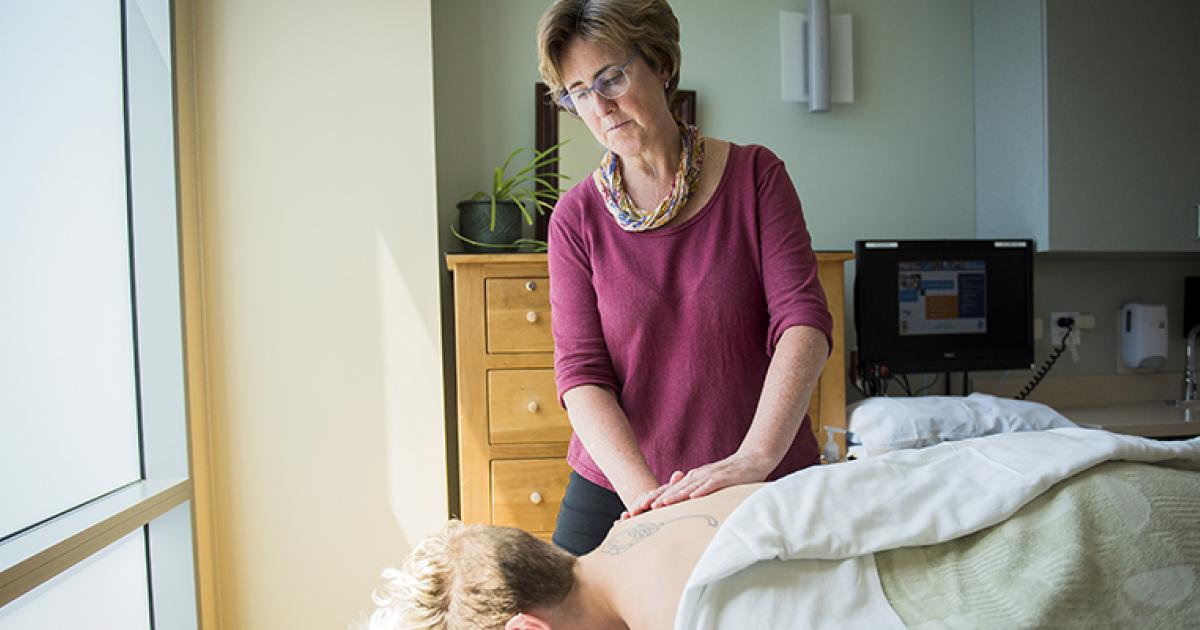
Imagine a world where stress melts like ice cream on a hot day, and your muscles feel as light as a feather! Welcome to the whimsical realm of Massage therapy, where every knead and stroke is a journey toward blissful relaxation and rejuvenation. Not only does it soothe those pesky knots in your muscles, but it also sprinkles a little joy on your mental well-being, turning frowns upside down!
From speeding up muscle recovery to creating a spa-like oasis in your living room for elderly superheroes, Massage therapy is more than just a delightful indulgence; it’s a ticket to better health. Join us as we unravel the magic behind those soothing hands and discover how they can brighten both your body and mind!
Benefits of Massage Therapy
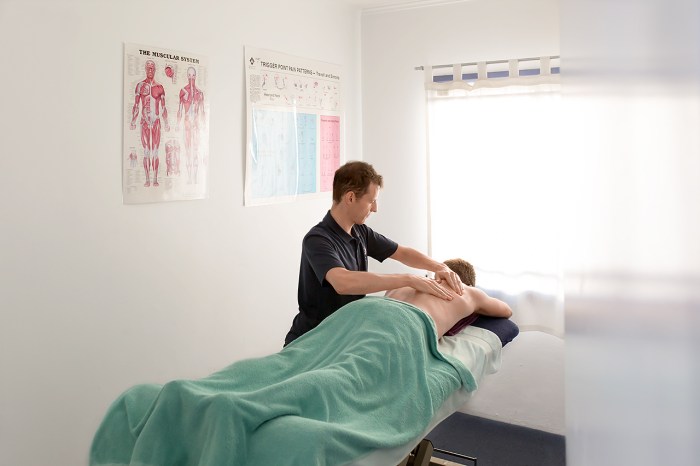
Massage therapy is not just an indulgent escape from the daily grind; it’s a ticket to a world where muscle knots beg for mercy and stress takes a permanent vacation. Delightfully blending science and relaxation, massage therapy offers a plethora of benefits that can transform your physical and mental well-being. So, grab your favorite scented candle and let’s dive into the wonders of massage therapy!
Physical Benefits of Massage Therapy
When it comes to muscle recovery and pain relief, massage therapy works like a superhero in disguise. With the magic touch of a trained therapist, you can experience remarkable physical benefits, including:
- Increased Blood Circulation: Massage stimulates blood flow, delivering essential nutrients and oxygen to tired muscles, helping them recover faster after exercise or injury.
- Pain Relief: Techniques like deep tissue massage target sore spots, releasing tension and alleviating chronic pain—think of it as sending in the cavalry for your achy back!
- Improved Flexibility: Regular massages can enhance your range of motion, allowing you to perform those yoga poses that previously made you resemble a pretzel in distress.
- Muscle Relaxation: A good massage can work wonders on tight muscles, giving them the relaxation they need to function optimally, and leaving you feeling limber and light as a feather.
Psychological Impacts of Massage Therapy
Beyond the physical realm, massage therapy casts a soothing spell on the psyche, ushering in tranquility and mental clarity. The psychological impacts are just as impressive, contributing significantly to stress reduction and overall mental well-being:
- Stress Reduction: The calming effects of massage can lower levels of cortisol, the stress hormone, making you feel as if you’ve just taken a dip in a serene, tranquil pool.
- Enhanced Mood: Regular massages boost serotonin and dopamine levels, those delightful chemicals that help chase away the blues—leading to a more cheerful and positive outlook on life!
- Better Sleep: Massage therapy can improve sleep quality by promoting relaxation and reducing anxiety, allowing you to drift off into a restful slumber instead of counting sheep.
- Increased Mindfulness: The mindful nature of massage encourages you to connect with your body, enhancing self-awareness and promoting a sense of inner peace that can last well beyond the massage table.
Overall Health and Relaxation
Embracing massage therapy can significantly enhance your overall health and promote a state of relaxation that feels out of this world. Here are the ways it contributes to your holistic well-being:
- Immune System Boost: Regular massage sessions can enhance immune function, making your body more resilient to illness—like a superhero cape for your immune system!
- Relief from Headaches: Tension headaches can be significantly reduced through massage, as it soothes tight muscles in the neck and shoulders, allowing for a clearer mind.
- Enhanced Athletic Performance: Athletes often use massage therapy as a part of their training regimen, as it aids in recovery and prepares their bodies for peak performance.
- Promotes Relaxation: The sheer pleasure of massage helps lower blood pressure, calm the mind, and create a state of blissful relaxation, making the world feel a little less chaotic.
Integration of Massage Therapy in Home Health Care
Picture this: a cozy living room with soft lighting, a gentle scent of lavender wafting through the air, and an elderly patient lounging comfortably on a plush massage table. That’s the magic of integrating massage therapy into home health care! This remarkable approach not only brings relaxation but also enhances the overall well-being of elderly patients right in the comfort of their own homes.
By incorporating massage therapy, caregivers can provide a holistic treatment that nurtures both the body and soul, ensuring a happier and healthier life for their elderly clients.Creating a safe and inviting environment for massage therapy is paramount to ensuring the effectiveness of the treatment. A tranquil atmosphere goes a long way in promoting relaxation and comfort for elderly patients. Here are some essential elements to consider:
Creating a Safe Environment for Massage Therapy
A well-prepared space can make all the difference in a massage therapy session. Here are key aspects to focus on when setting up for home-based therapy:
- Comfortable Surface: Ensure a stable and supportive massage table or bed is used, preferably with cushioning to accommodate sensitive joints.
- Proper Lighting: Soft, dim lighting can help create a serene atmosphere, making it easier for patients to relax and enjoy their massage.
- Temperature Control: Keep the room at a comfortable temperature, as older adults may be more sensitive to drafts or cold.
- Minimal Interruptions: Select a quiet time for the session, turning off phones and other distractions to maintain a peaceful environment.
- Accessibility: Ensure the area is easily accessible for the patient, keeping mobility aids nearby if needed.
When massage therapists collaborate closely with home health care providers, they can deliver comprehensive care tailored to the unique needs of elderly patients. This synergy not only enhances treatment outcomes but creates a truly integrated approach to health care.
Collaboration Between Massage Therapists and Home Health Care Providers
The relationship between massage therapists and home health care teams is akin to a well-rehearsed dance. Each party has its role, and when they work in harmony, the results can be strikingly beneficial for the patient. Here’s how they can team up for holistic patient care:
- Shared Goals: By setting mutual objectives for patient care, both professionals can align their strategies to maximize recovery and wellness.
- Communication: Regular updates and discussions about the patient’s progress ensure that everyone is on the same page, facilitating seamless care transitions.
- Customized Treatment Plans: Collaboration allows for the creation of personalized care plans that include both massage therapy and traditional medical approaches, addressing physical, emotional, and psychological needs.
- Feedback Integration: Therapists can provide valuable insights based on patient responses to massage therapy, helping health care providers adjust medications or therapies as needed.
- Education and Training: Ongoing education about the benefits of massage therapy can be shared with home health care staff, enriching their understanding and abilities in patient care.
“The best kind of care is the one that combines science and art, ensuring every patient feels like a masterpiece.”
Incorporating massage therapy into home health care practices not only brightens the day of elderly patients but also enhances their quality of life, proving that sometimes, the best medicine comes with a gentle touch and a whole lot of heart.
The Connection Between Massage Therapy and Mental Health
In a world where stress seems to be the new normal—like wearing sweatpants to work—massage therapy emerges as a delightful and essential escape. Beyond the realm of physical relaxation, massage therapy has proven to be a pampering powerhouse for our mental well-being. Whether it’s a gentle kneading of the shoulders or a vigorous poke to the lower back, massage can help us manage mood disorders and anxiety, making it a holistic remedy that’s worth its weight in essential oils.The relationship between massage therapy and mental health is as intertwined as spaghetti on a fork.
It’s not just about feeling good; it’s about managing those pesky mood disorders and anxiety that can turn a sunny day into a thunderstorm. Research has shown that engaging in regular massage therapy can significantly lower levels of cortisol—commonly known as the “stress hormone”—which is like saying “goodbye” to your anxiety with a wave and a wink. As tension melts away under skilled hands, mental clarity often rushes in like a refreshing breeze on a hot day.
This clarity can lead to improved focus and productivity, much like finding that missing sock in the laundry—suddenly, everything feels right in the world again!
Massage Therapy as a Tool for Mood Management
Massage therapy proves to be a golden ticket when it comes to managing mood disorders, such as depression and anxiety. Here’s how it delivers those mental health benefits:
Reduction of Anxiety Symptoms
Regular sessions can reduce feelings of anxiety, providing a sense of calm that lingers long after the massage is over. Imagine your worries being kneaded away, one muscle at a time!
Improvement in Sleep Quality
A good night’s sleep can feel as elusive as a unicorn. Massage therapy promotes relaxation, leading to deeper, more restful sleep. Think of it as a cozy blanket for your overworked brain.
Enhanced Mood and Overall Well-being
The release of endorphins during massage therapy acts like a natural mood booster, leaving you strutting around like a peacock post-session. To amplify these mental health benefits, incorporating mindfulness techniques with massage therapy can create a synergy as delightful as peanut butter and jelly. These techniques help ground you in the present moment, making your massage experience even more effective at lifting your spirits.
Here are some examples:
“Mindfulness is like a mental spa day for your brain.”
Deep Breathing Exercises
Focusing on your breath while receiving a massage can enhance relaxation and mental clarity. Inhale the good vibes, exhale the bad ones!
Body Scan Meditation
This practice involves mentally scanning your body for tension while the massage works its magic, helping you to become more aware of areas that need loosening and loving.
Gratitude Reflection
Spend a few moments during your massage reflecting on what you’re grateful for. It’s like a mood-lifting cherry on top of your relaxation sundae!By pairing these mindfulness techniques with massage therapy, you’re not just indulging in self-care; you’re actively nurturing your mental health. So the next time life feels like an endless game of dodgeball, remember to schedule that massage—and maybe bring along some deep breathing techniques.
Your mind will thank you, and you might even float out of the spa like a cloud of tranquility!
Concluding Remarks
In conclusion, Massage therapy is like a superhero in disguise, swooping in to save the day from the clutches of tension and discomfort. Whether it’s about easing muscle pain, enhancing mental clarity, or becoming part of home health care, this incredible practice offers a treasure trove of benefits. So why not treat yourself to a little massage magic and let the good vibes roll?
FAQ Guide
What types of massage therapy are there?
There are several types, including Swedish, deep tissue, sports, and aromatherapy, each designed to target specific needs and preferences.
How often should I get a massage?
It depends on your personal needs, but generally, once a month is great for maintenance, while weekly sessions can be beneficial for more intense recovery.
Can massage therapy help with anxiety?
Absolutely! Massage therapy has been shown to reduce anxiety levels and promote relaxation, helping to clear your mind like a sunny day after a storm.
Do I need to prepare for a massage?
Not much! Just arrive on time, communicate your preferences, and leave your worries at the door—they’ll be waiting for you when you’re done!
Is massage therapy safe for everyone?
While generally safe, it’s best to consult with a healthcare provider if you have specific health concerns or conditions before starting therapy.