Welcome to the whimsical world of chronic disease management, where your health takes the lead role in a drama that you can script! Imagine a universe where monitoring your health feels less like a chore and more like a quirky adventure. In this realm, regular follow-ups are not just reminders but friendly nudges from your health allies, guiding you towards a lifestyle that dances to the rhythm of wellness.
Chronic disease management isn’t just about handling symptoms; it’s about crafting a life that embraces the good, the bad, and the kale smoothies. With the right strategies, lifestyle tweaks, and a dash of education, you can turn the tables on those pesky chronic ailments. So, buckle up as we journey through home health care, holistic practices, and all the fun ways to thrive despite the challenges!
Chronic Disease Management Strategies
Managing chronic diseases can sometimes feel like trying to find the TV remote in a couch filled with miscellaneous cushions. It’s a challenge, but with the right strategies, it’s not only manageable but can also be quite entertaining—think of it as an ongoing game show where you get to be the star contestant of your own health. Regular monitoring and follow-up care are your trusty sidekicks, guiding you through this thrilling adventure to better health!Regular monitoring and follow-up care ensure that health issues are caught early, preventing unexpected twists in the plot.
Just like a great sitcom, good health is all about timing. When you keep track of your vitals with the precision of a hawk-eyed producer, you can adjust your strategies as needed. This includes regular check-ups with healthcare professionals who can offer insights that even the most dedicated binge-watchers would appreciate.
Importance of Regular Monitoring and Follow-Up Care
Keeping tabs on your condition is like having a personal health assistant who never takes a coffee break. Regular monitoring includes checking vital signs, blood sugar levels, and medication adherence. This proactive approach helps in detecting any red flags before they become full-blown crises. Consider these points for effective monitoring:
- Frequent Health Check-ups: Visit your healthcare provider regularly to assess your condition and adapt your management plan. It’s like getting a season renewal for your health!
- Track Symptoms: Keep a daily log of your symptoms, much like a diary of dramatic plot twists. It helps determine patterns and triggers that could affect your health.
- Medication Management: Stay organized with your medications. Use pill organizers or apps to ensure you don’t miss doses. No one wants to miss the climax of their health story!
Effective Lifestyle Modifications for Managing Chronic Diseases
Lifestyle modifications are not just buzzwords; they’re essential plot devices in your health narrative. These changes can serve as the twist in your story that brings everything together. Here are some lifestyle modifications that pack a punch:
- Balanced Diet: Embrace a colorful plate that resembles a rainbow, filled with fruits, vegetables, whole grains, and lean proteins. It’s not just a health tip; it’s an art project!
- Regular Physical Activity: Exercise can turn you into a superhero! Aim for at least 150 minutes of moderate aerobic activity weekly. Who knew chasing after your dog could contribute to your health saga?
- Sufficient Sleep: Prioritize sleep like a binge-worthy series. Aim for 7-9 hours nightly to recharge your body and mind. Remember, even superheroes need their beauty sleep!
Role of Patient Education in Self-Management
Patient education is the golden key to self-management and can be as enlightening as a plot twist in your favorite novel. Being informed empowers you to make decisions that positively impact your health journey. Involving yourself in education can transform you from a passive viewer to an active participant in your health show. Here’s how patient education plays a significant role:
- Understanding Your Condition: The more you know about your chronic disease, the better equipped you are to handle it. Knowledge is your trusty script that guides you through every act.
- Self-Management Skills: Learn about self-monitoring, setting health goals, and problem-solving techniques. These skills are your toolbox, ready to tackle any health scenario like a pro!
- Support Groups: Joining a support group can provide camaraderie and shared experiences. It’s like having a supporting cast that’s always ready to lend a hand during cuts and retakes.
“An informed patient is a powerful patient.”
Home Health Care in Chronic Disease Management
Home health care is like a superhero cape for those managing chronic diseases—it swoops in to provide essential support right at home, ensuring that patients can tackle their health challenges without needing to add a side quest for a hospital visit. This approach not only offers convenience but also creates a familiar and comfortable environment for healing. Chronic disease management requires a multifaceted strategy, and home health care services play a pivotal role in this equation.
These services not only assist with medical needs but also address the emotional and practical aspects of living with a chronic condition. They bridge the gap between hospital care and independent living, ensuring that patients receive personalized attention in the coziness of their own homes.
Essential Components of Home Health Care Services
When it comes to home health care for chronic disease patients, several essential components need to be in place to ensure optimal care. Here’s a breakdown of what to look for, like a treasure map guiding you to the gold of health management.
- Nursing Care: Skilled nurses provide assessment, medication management, and wound care. Think of them as the health detectives, solving the mysteries of your chronic condition, one band-aid at a time.
- Physical Therapy: Therapists help patients regain mobility and strength. Picture them as personal trainers who won’t let you skip leg day, even if it’s just walking to the fridge.
- Occupational Therapy: Occupational therapists assist in daily activities, making sure that everyday tasks don’t become Everest-like challenges. They’re like the life coaches of laundry folding and dishwashing.
- Home Health Aides: These aides provide personal care assistance, from bathing to companionship. Think of them as your cheerleaders, ringing their pompoms as you tackle daily tasks!
- Telehealth Services: Virtual consultations make it easier for patients to connect with healthcare providers without the hassle of traffic. It’s like having a doctor in your pocket, minus the awkwardness of actually putting your hand in there.
Coordinating Home Health Care with Chronic Disease Management Plans
Coordinating home health care with a chronic disease management plan is crucial to ensure that all aspects of care are harmonized, like a finely tuned orchestra where every instrument knows its part. To achieve this, consider the following strategies:
- Develop a Comprehensive Care Plan: Collaborate with healthcare providers to create a detailed plan that encompasses all care aspects, from medication schedules to therapy sessions. A good plan is like a GPS for your health journey—less “recalculating” needed!
- Regular Communication: Establish a routine for updates between home health providers and the primary care physician. Think of it as a group chat dedicated to your well-being, minus the memes.
- Patient and Family Involvement: Engage patients and their families in the care plan discussions. After all, no one knows the patient better than their support squad, and they’ll have plenty of insights (and maybe a few laughs).
- Monitor Progress: Regularly assess and adjust the care plan based on the patient’s changing needs. This is like tuning a guitar—sometimes you need to tighten the strings to keep the music going smoothly!
Guide to Selecting Appropriate Home Health Care Providers
Choosing the right home health care provider is akin to finding the perfect pair of shoes; they need to fit well and support you every step of the way. Here’s a handy guide to ensure you make the best choice:
- Check Credentials: Look for licensed and certified providers. It’s like checking that your chef has a degree from a culinary school—you want to ensure they know their stuff!
- Ask for Recommendations: Consult with healthcare professionals, friends, or family. Sometimes, the best leads come from the grapevine, just like finding out where to score the best pizza in town.
- Evaluate Specializations: Consider providers with experience in managing specific chronic conditions. It’s like searching for a mechanic who specializes in your make and model—better results guaranteed!
- Assess Compatibility: Meet with potential providers to see if their approach aligns with the patient’s needs and preferences. You wouldn’t want a caregiver who insists on karaoke sessions if you’re more of a quiet night-in type!
- Review Patient Feedback: Look for reviews or testimonials from other patients. Positive experiences can be a telltale sign that you’re on the right track—like finding a treasure map with an X marking the spot!
“Home is where the health is—let’s keep it that way!”
Integrating Holistic Approaches in Chronic Disease Management
In the realm of chronic disease management, one might think that the only prescription comes in pill form. But hold onto your stethoscopes, because we’re diving into the exciting world of holistic approaches! Just as a fine wine benefits from the perfect cheese pairing, the management of chronic diseases flourishes when integrated with practices that nurture the mind, body, and spirit.
Prepare for an enlightening journey where meditation, massage, and mood management take center stage!
Meditation and Mindfulness Practices
Meditation and mindfulness are like a warm hug for the soul, providing countless benefits that extend beyond the yoga mat. These practices not only calm the mind but also have profound impacts on chronic disease management. Engaging in regular meditation can lead to decreased stress levels, lower blood pressure, and even improved immune function. Think of it as giving your body a mini-vacation, allowing it to recharge while you simply focus on your breath (and maybe not so much on that pile of laundry).Here are some key benefits of incorporating meditation and mindfulness into chronic disease management:
- Reduced Stress: Chronic stress can exacerbate conditions like diabetes and hypertension. Mindfulness techniques help in managing stress effectively.
- Enhanced Emotional Well-being: Regular practice can improve mood and reduce symptoms of anxiety and depression, which are often intertwined with chronic illnesses.
- Improved Focus and Clarity: Meditation fosters mental clarity, which is critical when navigating the complexities of managing chronic diseases.
- Better Pain Management: Mindfulness meditation can alter the perception of pain, making it a valuable tool for those dealing with chronic discomfort.
“Mindfulness is a way of befriending ourselves and our experience.”
Jon Kabat-Zinn
Role of Massage Therapy in Alleviating Chronic Pain
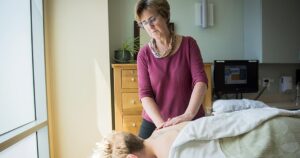
If you think of massage therapy as just a luxury reserved for spa days, think again! This hands-on approach plays a pivotal role in alleviating chronic pain and improving the quality of life for many individuals. Massage therapy works its magic by increasing blood circulation, reducing muscle tension, and promoting relaxation. It’s like giving your body a much-needed tune-up – without the grease!The impact of massage therapy in chronic disease management can be understood through the following points:
- Reduction of Muscle Tension: Regular massages can help relax tight muscles, which can lead to a significant reduction in pain for those suffering from conditions like fibromyalgia or arthritis.
- Improved Sleep Quality: Pain can disrupt sleep, but massage therapy has been shown to promote better sleep patterns, allowing the body to heal and rejuvenate.
- Increased Mobility: Massage can enhance flexibility and range of motion, making it easier for individuals to engage in physical activity.
- Emotional Release: The relaxing nature of massage therapy can also help release pent-up emotions, which can contribute to overall well-being.
“Massage is not just a luxury. It’s a way to a healthier life.” – Unknown
Addressing Mood Disorders to Improve Outcomes
Chronic diseases often come hand in hand with mood disorders, creating a delightful cocktail of challenges that can complicate management efforts. Addressing these mood disorders is a critical aspect of effective chronic disease management. When mental health is taken into account, patients experience better overall outcomes, akin to adding a cherry on top of a sundae!Consider the following points on how tackling mood disorders can enhance chronic disease management:
- Enhanced Treatment Compliance: Patients with better mental health are more likely to adhere to treatment plans, ensuring they’re getting the full benefits of their medications and lifestyle changes.
- Reduction in Symptoms: Treating mood disorders such as depression or anxiety can lead to a decrease in the severity of chronic disease symptoms.
- Increased Support Networks: Positive mental health often encourages patients to reach out for support, creating a community that fosters resilience and motivation.
- Improved Quality of Life: When mood disorders are addressed, individuals often report a significant improvement in their overall quality of life, making the journey through chronic disease management a little less daunting.
“Your mood is a key component of your health. Nurture it, and you nurture your whole being.” – Unknown
Last Word
As we wrap up our delightful exploration of chronic disease management, remember that it’s less about battling your condition and more about becoming the hero of your own health saga. With regular monitoring, a sprinkle of holistic magic, and the support of skilled home health care providers, you have all the tools to write your own happy ending. So, go forth and conquer your health journey with confidence and a grin—because managing chronic disease can be a thrilling escapade!
Helpful Answers
What is chronic disease management?
Chronic disease management refers to a coordinated strategy for managing long-term health conditions through regular monitoring, lifestyle changes, and education.
How often should I monitor my chronic disease?
Monitoring frequency varies by condition but generally includes regular check-ups and self-monitoring as advised by your healthcare provider.
Can lifestyle changes really impact chronic diseases?
Absolutely! Healthy eating, exercise, and stress management can significantly improve your condition and overall well-being.
What role does patient education play?
Patient education empowers you with the knowledge needed to manage your condition confidently and effectively.
How can I find a good home health care provider?
Look for providers with good reviews, relevant experience, and who communicate well with you about your specific needs.